Emergency-capable · Arizona
Emergency water extraction
Water extraction is the first step after a leak or flood: a restoration crew pumps and vacuums standing water out of floors, carpet and pad so drying can start. In a slab-on-grade Arizona home, getting the water out within the first few hours limits how far it wicks into drywall, baseboards and cabinets.
Free call · Phones answered 24/7
- Phones answered 24/7
- 417 Arizona ZIP codes
- Local Arizona pros
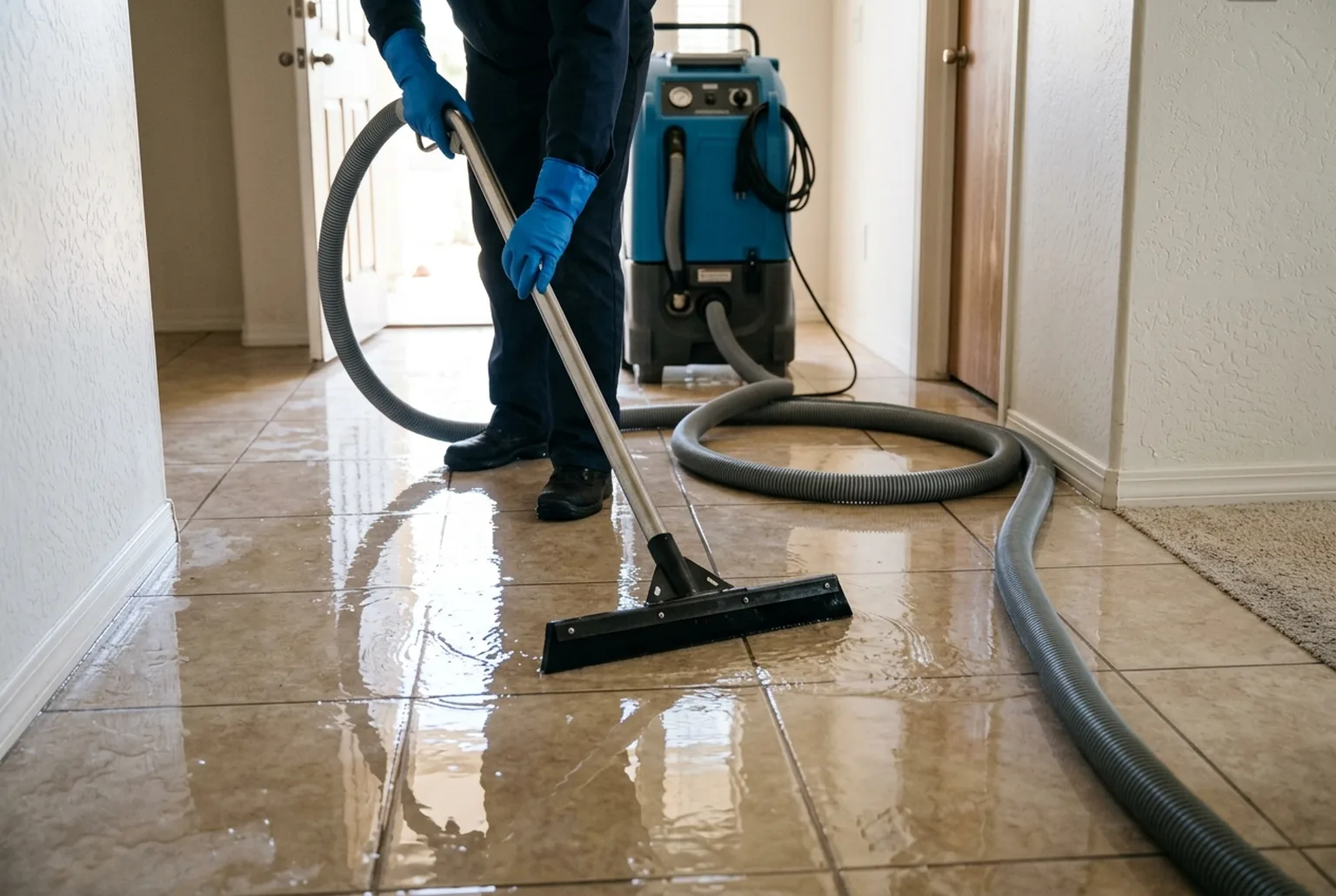
Most Arizona homes sit on a concrete slab with no basement, so water has nowhere to go but sideways. It runs under baseboards, into the bottom of cabinets and under tile, laminate and carpet pad. The longer it sits, the higher it climbs into drywall and the more material has to come out later.
Extraction uses truck-mounted or portable pumps and weighted extraction tools to pull water out of carpet and pad, plus submersible pumps where water is deep. The crew then sets drying equipment. The goal is simple: remove as much liquid water as possible, because pulling water out is far faster than evaporating it.
Water extraction at a glance
- When to call
- Any standing water, or wet carpet larger than a bath mat
- First visit
- Stop the source, check safety, extract, moisture map, set drying equipment
- Typical timeline
- Extraction takes hours; drying usually 3–5 days after that
- Standard followed
- Ask whether the crew works to IICRC S500
- Insurance
- Sudden leaks are often covered; flood usually needs a flood policy
Signs you need help
- Water standing on tile, wood or laminate floors
- Carpet that squishes underfoot or darkens at the edges
- Water coming from under a wall, cabinet or the water heater closet
- Water entering at a door or slider during a monsoon storm
- A musty smell within a day or two of a spill
Water still spreading? Every hour counts — call now.Phones answered 24/7. Free call, connected to a local restoration company.
(833) 893-1539What the restoration company does
- 1
Stop the source
The water is shut off at the house valve or meter, or the storm entry is blocked. Power is shut off to wet areas if outlets or cords are in the water.
- 2
Assess and categorize
The technician identifies where the water came from (clean supply line, gray appliance water or contaminated sewage and floodwater), because that decides what can be dried and what must be removed.
- 3
Extract
Pumps and extraction tools remove standing water and pull water from carpet and pad. Wet pad is usually removed; carpet can often be saved with clean water.
- 4
Map moisture and set drying
Moisture meters and thermal cameras show how far water traveled. Air movers and dehumidifiers go in, and readings are logged for the drying record.
What affects the cost
Every loss is different, so there's no honest flat price. These are the factors that move the estimate:
- How many rooms and square feet are wet
- Water category: clean supply water costs less to handle than sewage or floodwater
- How long the water sat before extraction started
- Flooring type: carpet and pad, tile, laminate or hardwood
- After-hours, weekend or holiday response
Safe to do yourself
- Shut off the water at the main valve or the meter box at the curb
- Move furniture, rugs and electronics off wet floors
- Put foil or blocks under furniture legs that must stay
- Photograph and video everything before it is moved or removed
Stop and call if
- Water is near outlets, cords or a panel — stay out and cut power at the breaker if you can do so dry
- The water came from a toilet, sewer line or outside flooding
- Ceilings are sagging or bulging
- Water has been sitting more than 24 hours
Not sure what you're dealing with? Call — it's free.Phones answered 24/7. Free call, connected to a local restoration company.
(833) 893-1539Water extraction questions
How fast does water extraction need to start?
Can I use a shop vac instead?
Will my carpet have to be replaced?
Does homeowners insurance pay for water extraction?
What should I do while I wait for the crew?
How do I know a restoration company is licensed?
Where this service is available
Across our 417 Arizona ZIP codes. Popular areas:
Related services
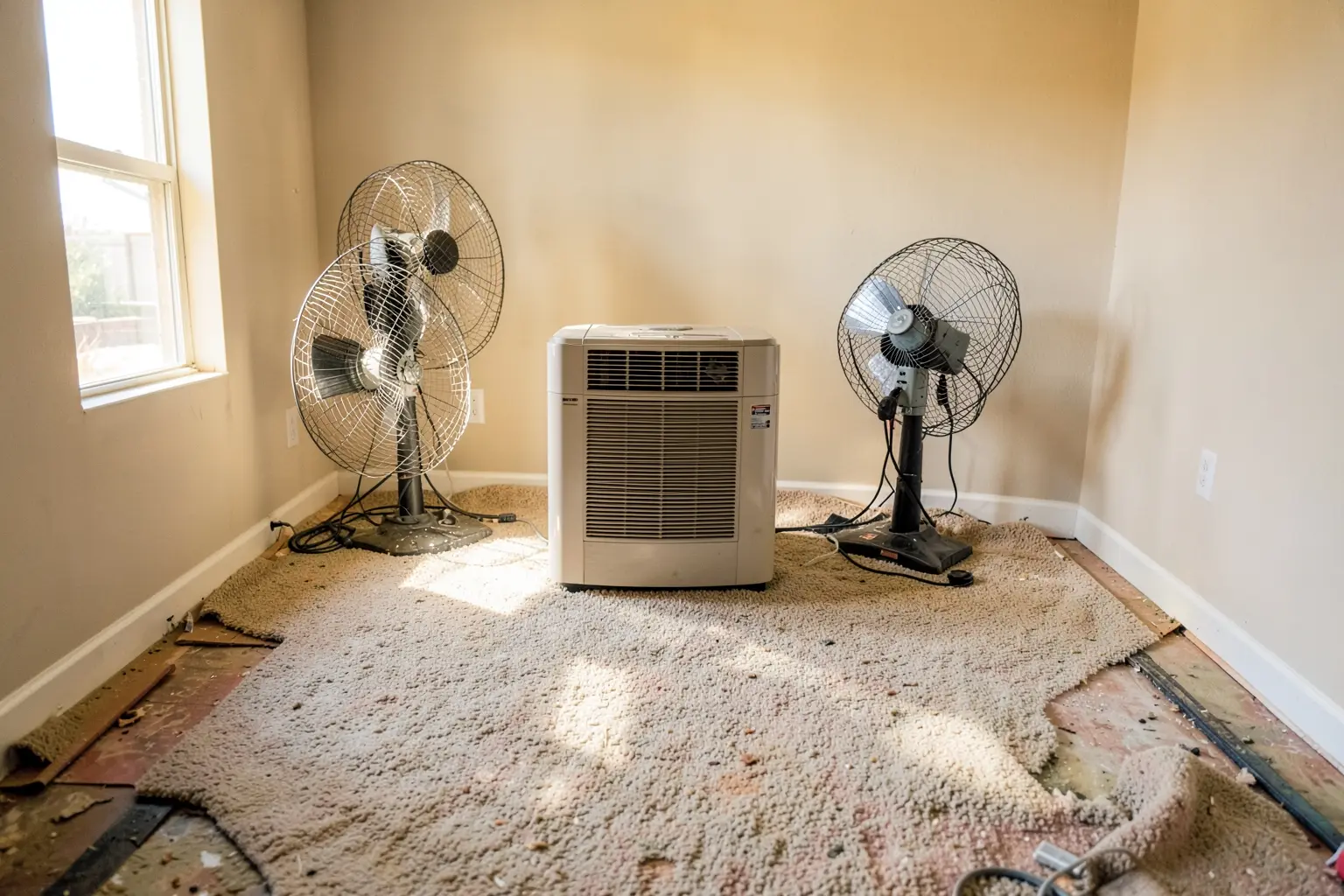
Structural Drying & Dehumidification
Structural drying removes water that has soaked into the slab, drywall, framing and cabinets after the standing water is gone.
Learn more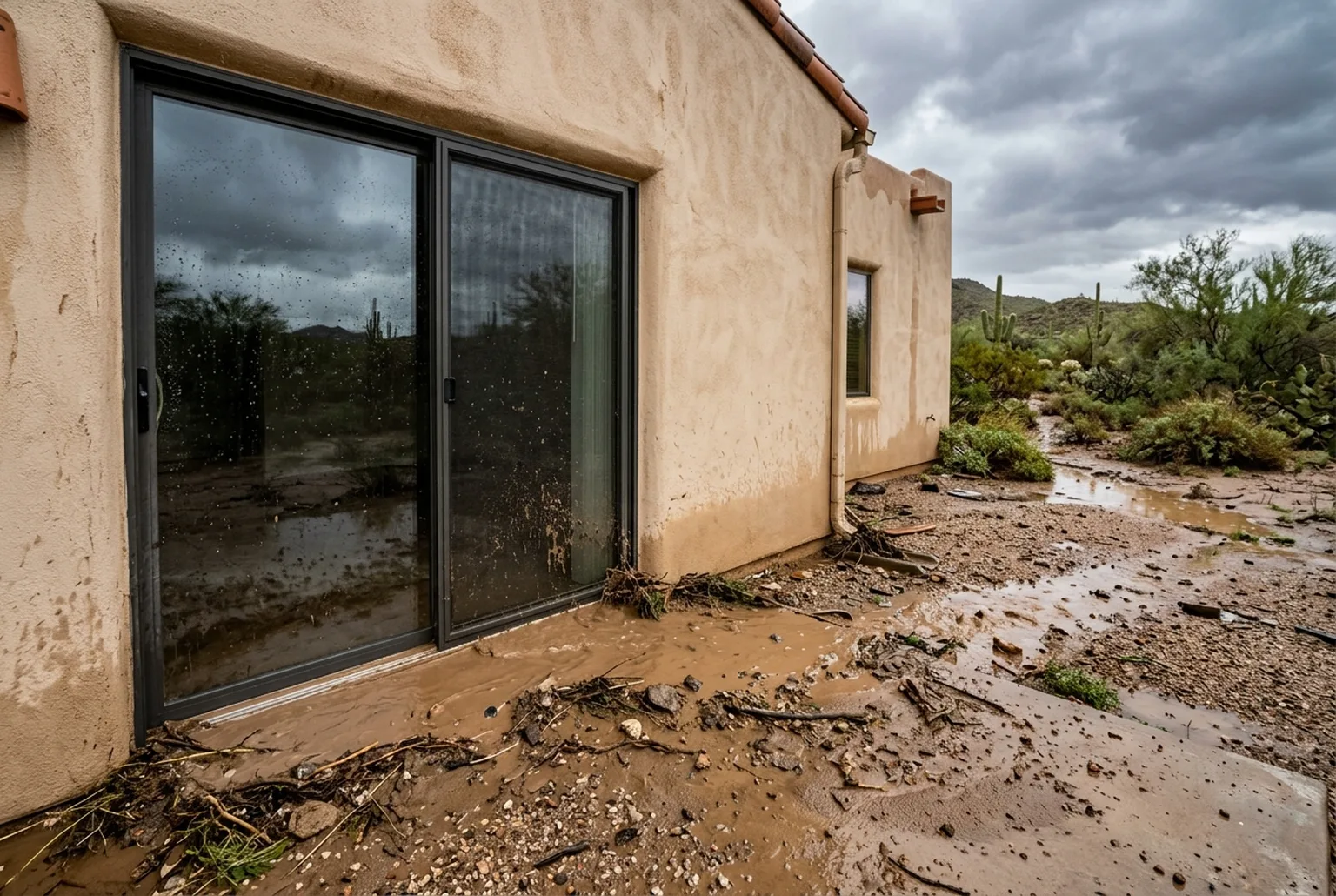
Flood & Monsoon Damage Cleanup
Flood cleanup removes storm water, mud and debris that entered from outside, then disinfects and dries the structure.
Learn more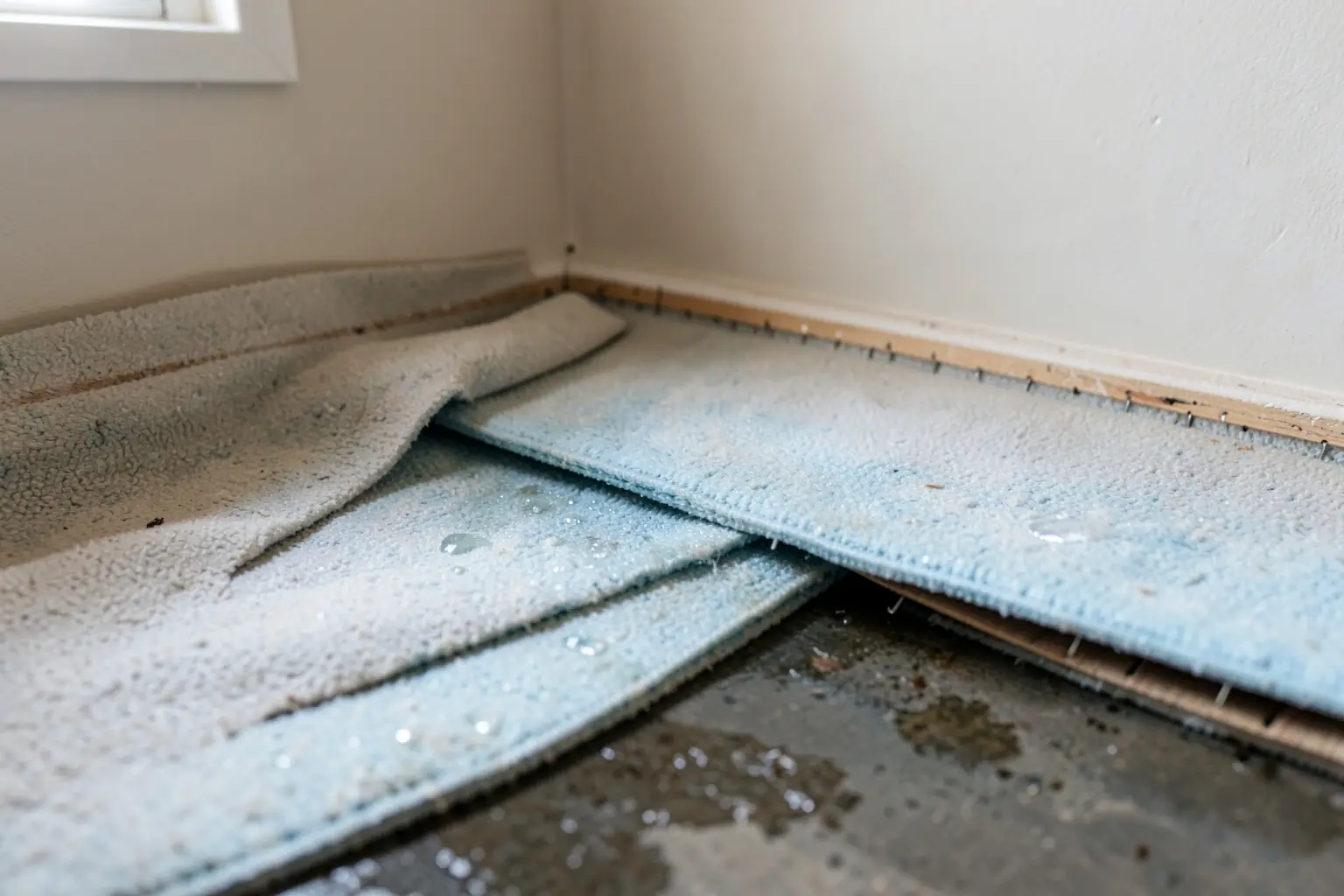
Wet Carpet & Pad Drying
Carpet soaked with clean water can often be extracted, dried and saved if work starts within about a day; the foam pad underneath is usually replaced because it holds water and is inexpensive.
Learn more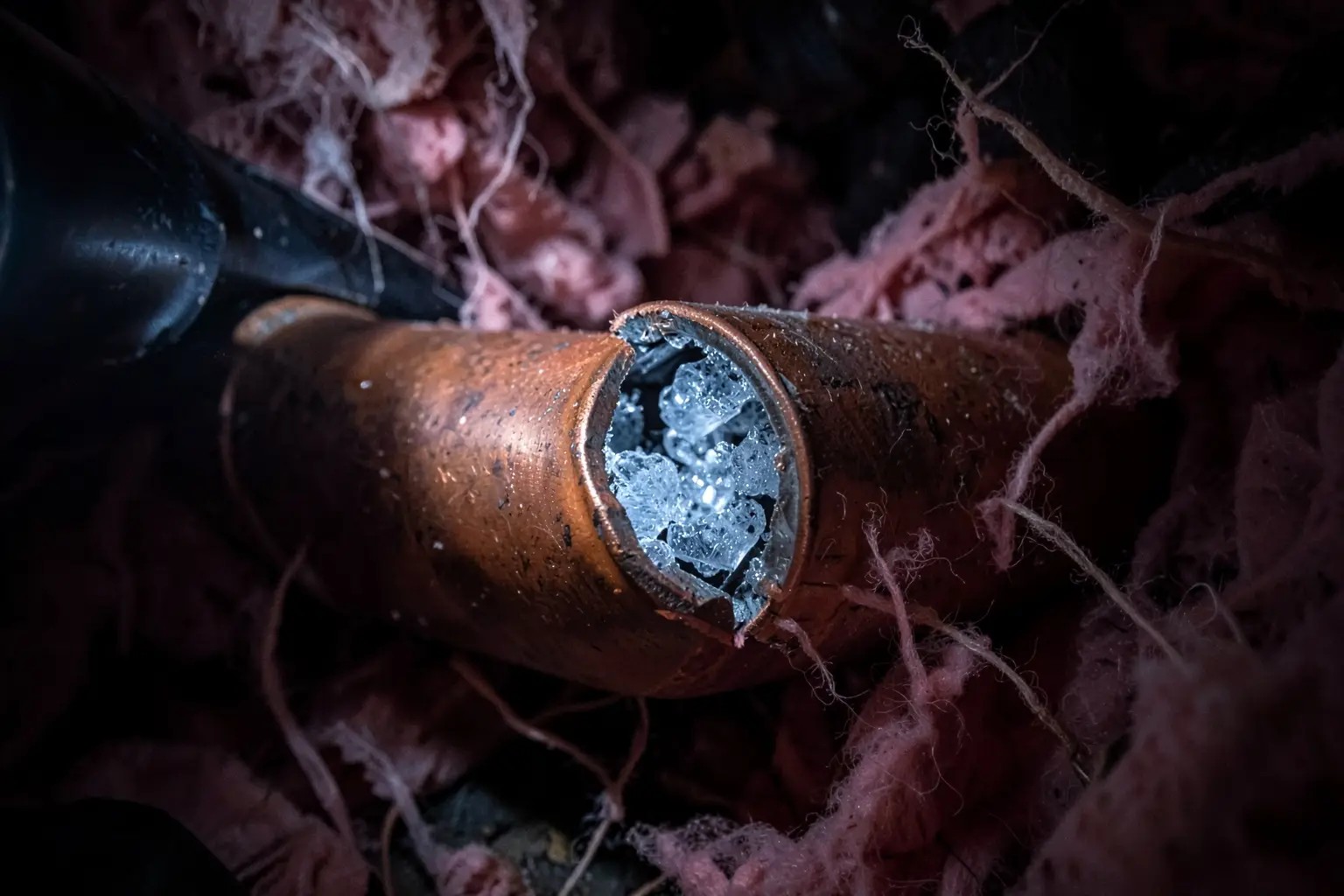
Burst Pipe Water Damage
A burst pipe releases a lot of clean water fast.
Learn moreGuides
Water where it shouldn't be?
Shut off the water, then call. Phones answered 24/7. Local restoration pros are ready to help.