Emergency-capable · Arizona
Sewage backup cleanup
Sewage is Category 3 (contaminated) water. Cleanup means removing the water and every porous material it touched, then cleaning, disinfecting and drying the area. Keep people and pets away, don't use the plumbing, and let a trained crew handle it.
Free call · Phones answered 24/7
- Phones answered 24/7
- 417 Arizona ZIP codes
- Local Arizona pros
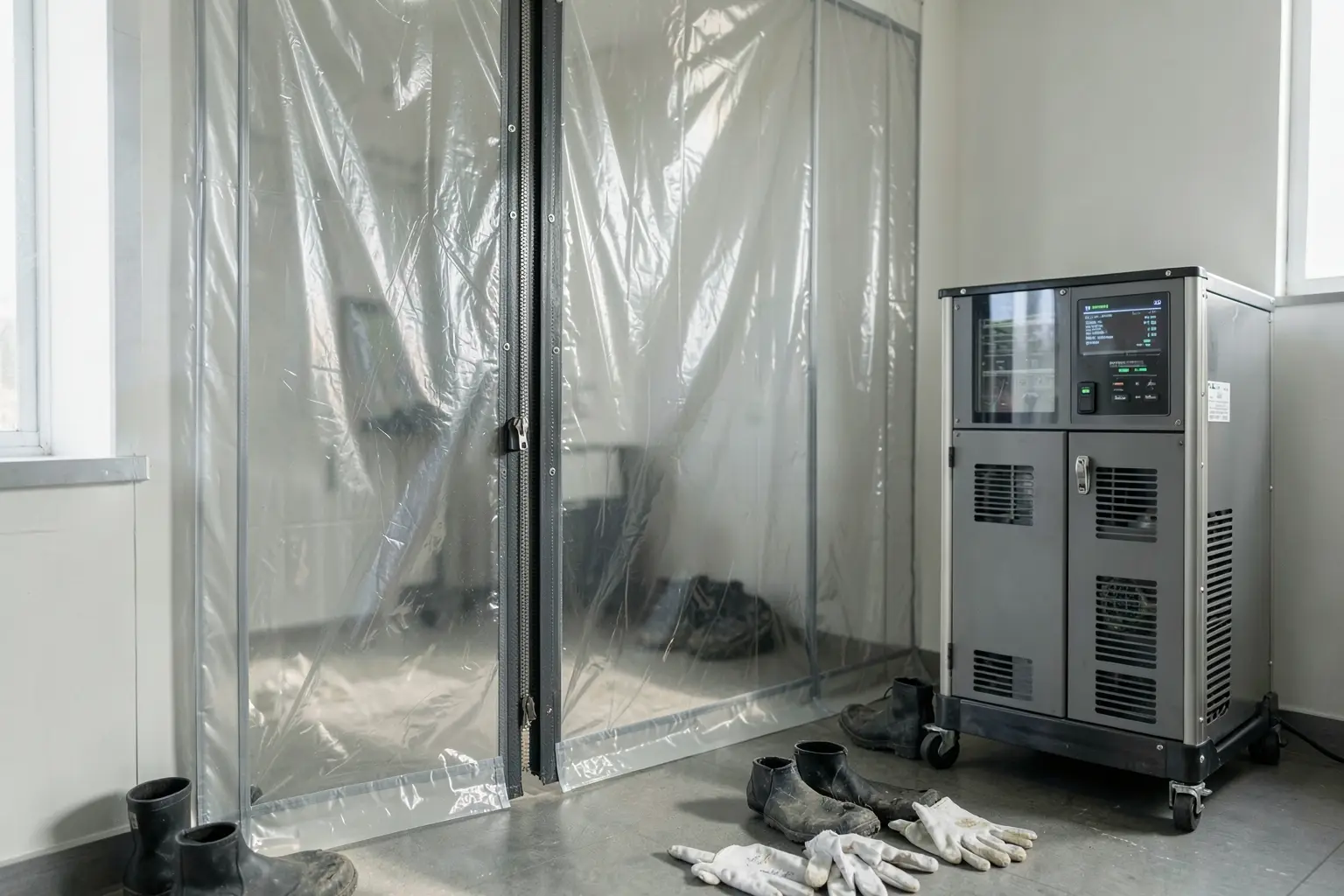
A sewer backup comes up through the lowest drains in the house: floor drains, showers, tubs and toilets. In Arizona's slab homes that often means a bathroom, laundry or casita. Rural homes on septic systems see backups when a tank is full or a leach field fails, often after heavy monsoon rain saturates the ground.
Sewage carries bacteria, viruses and other pathogens. Carpet, pad, drywall and insulation it touched are removed and bagged. Hard surfaces are cleaned and disinfected, and the area is dried and checked before rebuild.
Sewage cleanup at a glance
- Water category
- Category 3 — contaminated
- Usually removed
- Carpet, pad, lower drywall, insulation and porous contents
- Safety
- No bare skin contact; keep children and pets away
- Septic homes
- Backups after heavy rain or a full tank
- Two trades
- Plumber clears the line; restoration cleans and dries
Signs you need help
- Toilet or shower drain backing up when other fixtures run
- Gurgling drains and a sewage smell
- Dark water around a floor drain or toilet base
- Water coming up in the tub when the washer drains
- Wet, smelly ground over a septic tank or leach field
Water still spreading? Every hour counts — call now.Phones answered 24/7. Free call, connected to a local restoration company.
(833) 893-1539What the restoration company does
- 1
Contain
The area is isolated and ventilation controlled so contamination doesn't spread.
- 2
Remove
Water and solids are extracted; porous materials are cut out, bagged and disposed of.
- 3
Clean and disinfect
Hard surfaces and framing are cleaned and treated with an antimicrobial.
- 4
Dry and verify
The area is dried and checked with moisture readings before rebuild.
What affects the cost
Every loss is different, so there's no honest flat price. These are the factors that move the estimate:
- Area affected
- Materials removed
- Contents disposal
- Protective equipment and containment
- Plumbing or septic repair (separate)
Safe to do yourself
- Stop using sinks, toilets, showers and the washer
- Keep people and pets out of the area
- Turn off power to affected rooms if you can do it safely
- Photograph damage from a distance
Stop and call if
- Any sewage has spread onto carpet, drywall or into HVAC returns
- Someone in the home is pregnant, elderly, very young or immune-compromised
- You don't have gloves, boots and eye protection
Not sure what you're dealing with? Call — it's free.Phones answered 24/7. Free call, connected to a local restoration company.
(833) 893-1539Sewage cleanup questions
Can I clean up a small toilet overflow myself?
Is sewage backup covered by homeowners insurance?
Why does carpet have to be thrown out?
What causes sewer backups?
Is it safe to stay in the house?
How long does sewage cleanup take?
Where this service is available
Across our 417 Arizona ZIP codes. Popular areas:
Related services
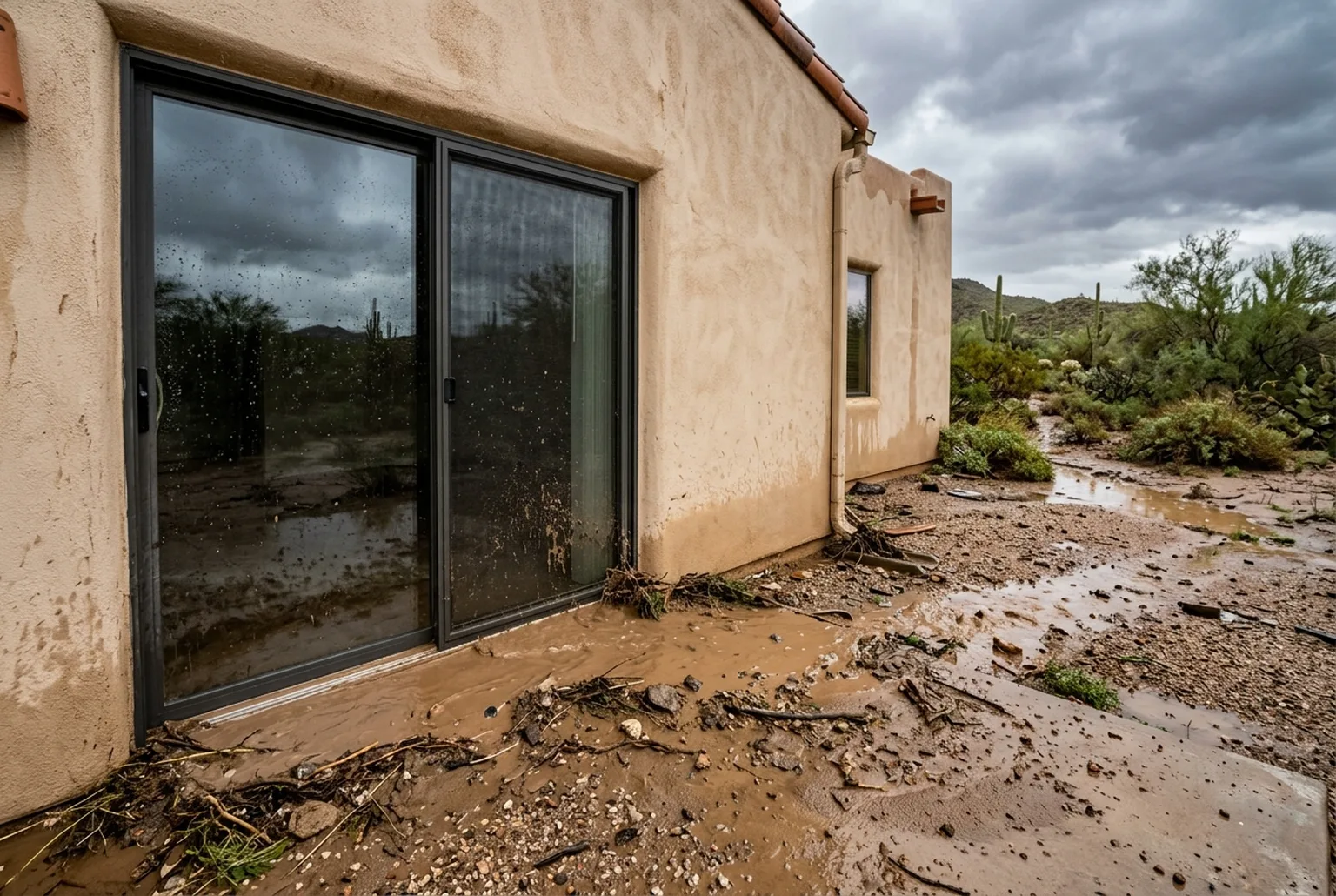
Flood & Monsoon Damage Cleanup
Flood cleanup removes storm water, mud and debris that entered from outside, then disinfects and dries the structure.
Learn more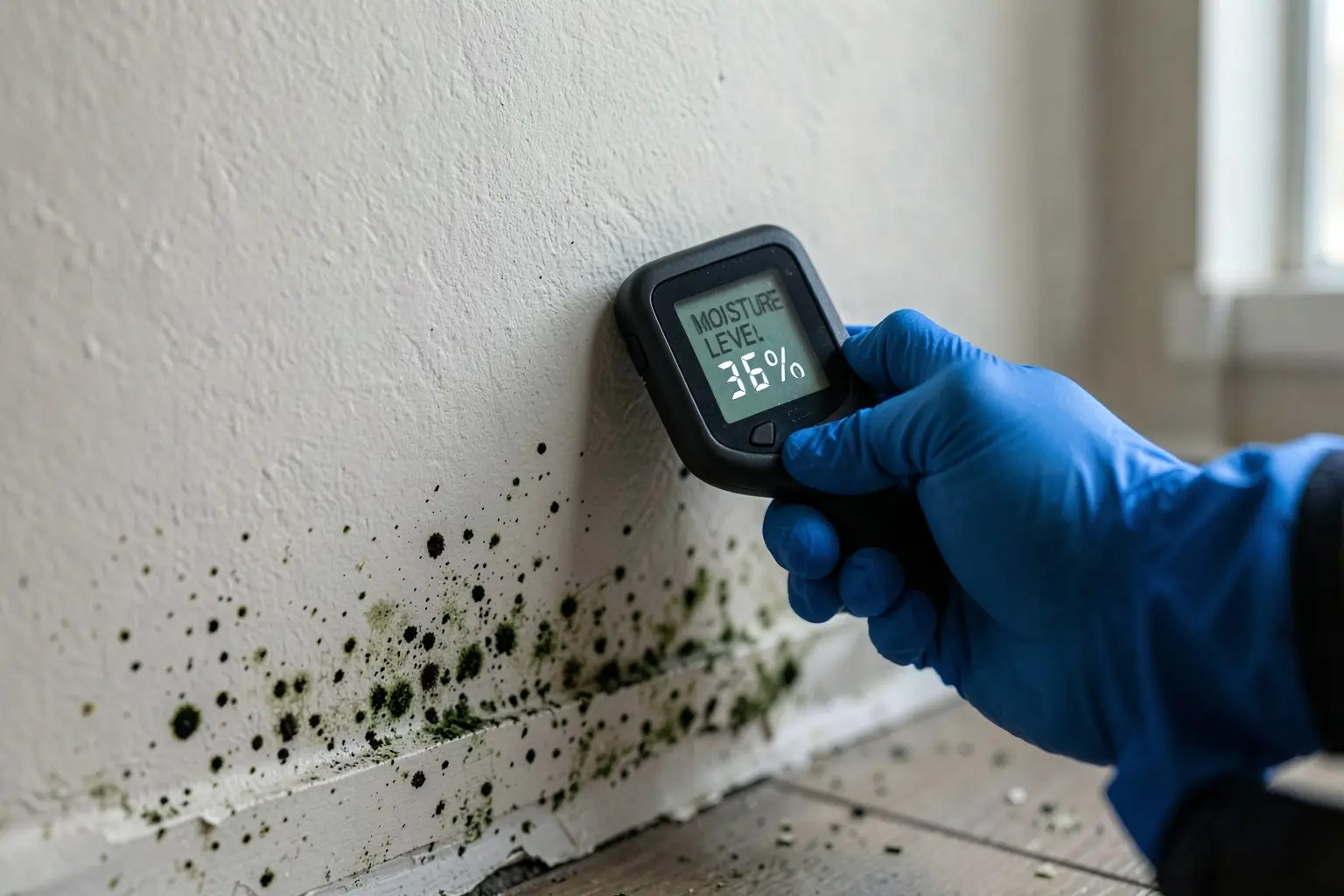
Mold Remediation After Water Damage
Mold grows wherever materials stay wet, and it can start within 24 to 48 hours.
Learn more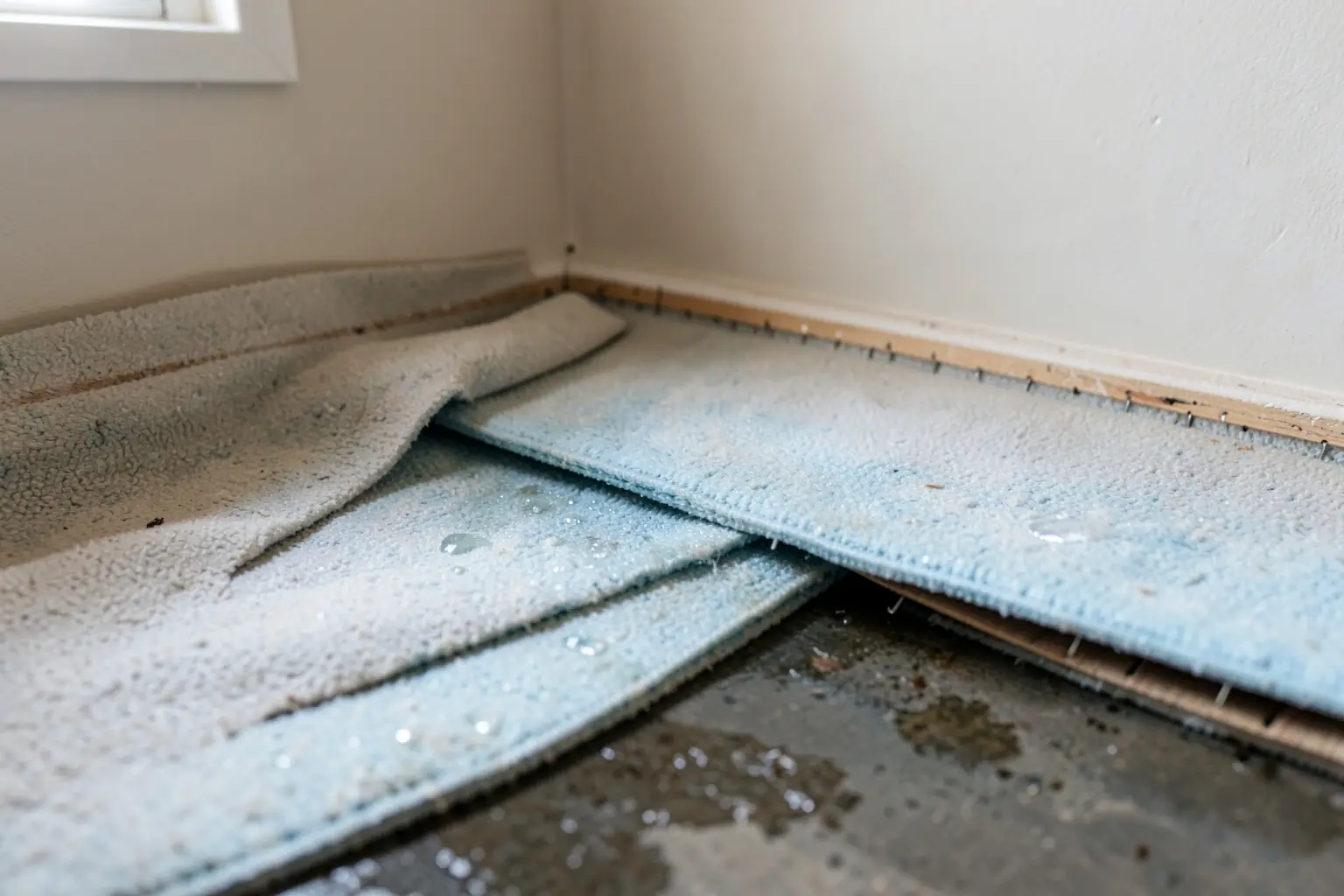
Wet Carpet & Pad Drying
Carpet soaked with clean water can often be extracted, dried and saved if work starts within about a day; the foam pad underneath is usually replaced because it holds water and is inexpensive.
Learn more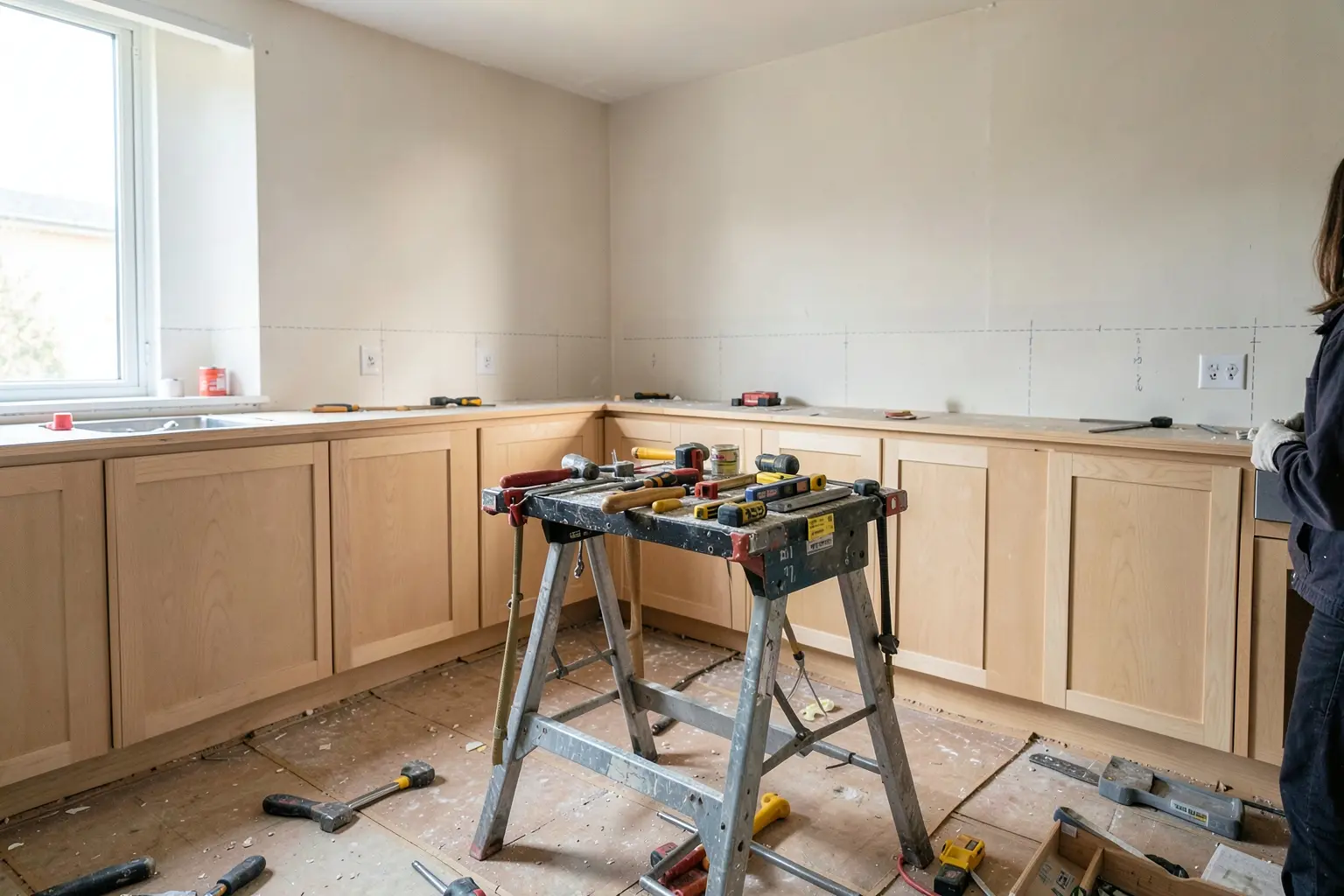
Water Damage Repair & Rebuild
Rebuild puts the house back after drying: new drywall, baseboards, insulation, flooring, cabinets and paint.
Learn moreGuides
Water where it shouldn't be?
Shut off the water, then call. Phones answered 24/7. Local restoration pros are ready to help.