Emergency-capable · Arizona
Evaporative (swamp) cooler leak damage
A leaking evaporative cooler usually sends water through the roof penetration or ductwork into the ceiling below. Turn off the cooler and close its water supply valve, then have wet insulation and ceiling drywall checked. Stuck float valves, rusted pans and failed roof seals are the common causes.
Free call · Phones answered 24/7
- Phones answered 24/7
- 417 Arizona ZIP codes
- Local Arizona pros
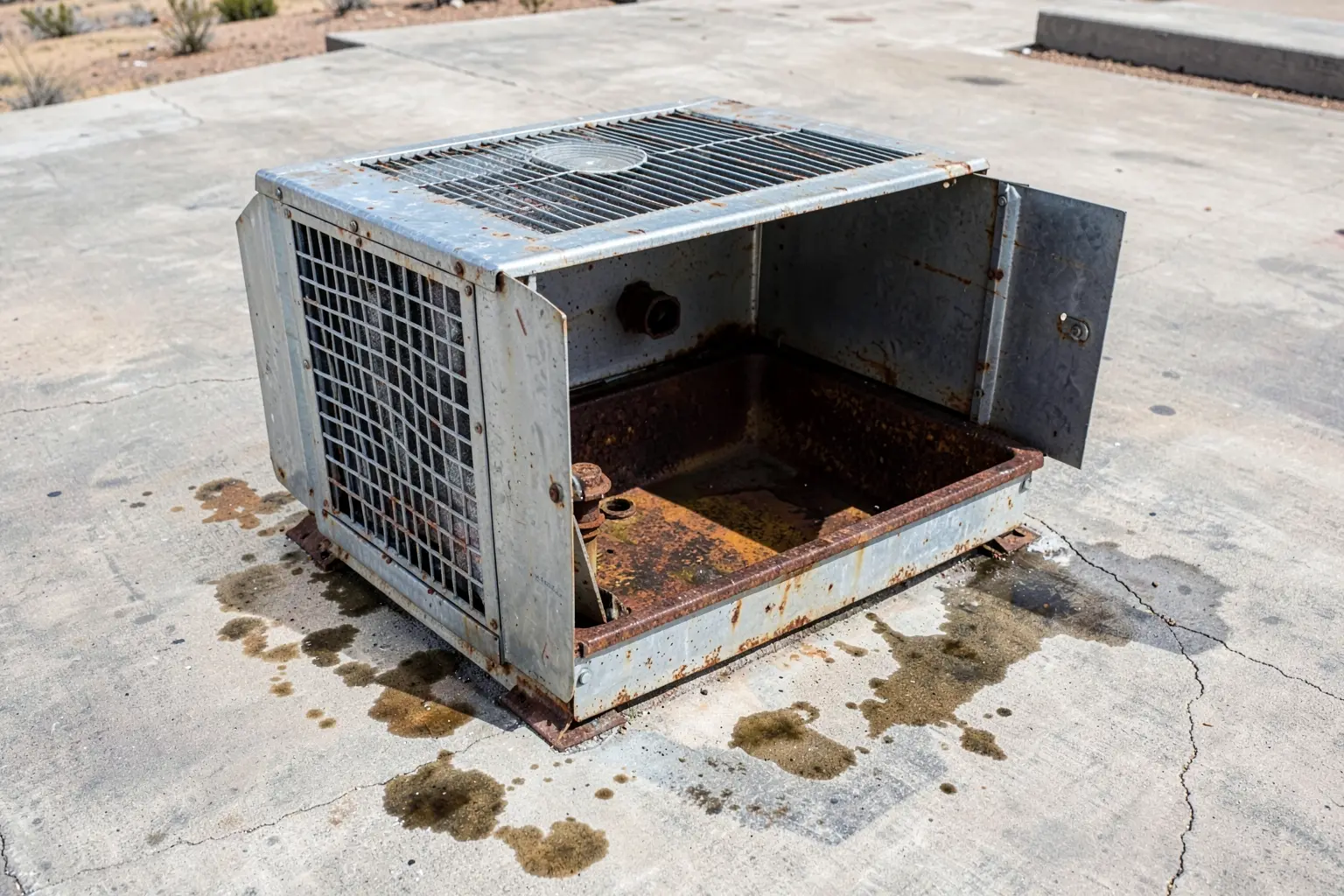
Evaporative coolers, also called swamp coolers, are still common across Tucson, older Phoenix neighborhoods, Yuma, the Colorado River towns and rural Arizona because they're cheap to run in dry heat. Most sit on the roof and hold a pan of water fed by a small supply line with a float valve.
When the float sticks, the pan overflows. When the pan rusts through or the roof jack seal cracks, water runs down the duct or the roof penetration into the attic. Because the cooler runs all day, a leak can put out a lot of water before a stain shows on the ceiling.
Swamp cooler leaks at a glance
- Common causes
- Stuck float valve, rusted pan, cracked roof seal, clogged bleed-off line
- Where damage shows
- Ceiling around the supply vent, attic insulation, walls below
- Common in
- Tucson, older Valley homes, river and rural towns
- First step
- Turn off the cooler and close its water supply valve
- Season
- Most leaks happen April–September when coolers run
Signs you need help
- Water dripping from or around the cooler's ceiling vent
- Brown stains on the ceiling near the cooler duct
- Water running off the roof when it hasn't rained
- Rust streaks on the roof below the cooler
- Musty smell when the cooler runs
Water still spreading? Every hour counts — call now.Phones answered 24/7. Free call, connected to a local restoration company.
(833) 893-1539What the restoration company does
- 1
Shut off
The cooler is turned off and its supply line valve (often in the attic, garage or at the hose bib) is closed.
- 2
Inspect
The technician checks the attic, duct and ceiling with meters and a thermal camera to see how far water spread.
- 3
Remove and dry
Wet insulation and damaged ceiling drywall are removed; framing and the attic are dried.
- 4
Repair
A cooler or roofing contractor fixes the pan, float or roof seal; then the ceiling is rebuilt.
What affects the cost
Every loss is different, so there's no honest flat price. These are the factors that move the estimate:
- Ceiling area and insulation affected
- How long the cooler leaked
- Duct cleaning or replacement if water got into it
- Cooler and roof seal repair (separate trades)
- Texture and paint matching
Safe to do yourself
- Turn off the cooler at the thermostat or switch
- Close the cooler's water supply valve
- Put a bucket under the vent and move furniture
- Winterize the cooler each fall: drain the pan and close the vent
Stop and call if
- The ceiling around the vent is sagging
- Water is coming from a light fixture
- You'd need to walk on a hot or wet roof
Not sure what you're dealing with? Call — it's free.Phones answered 24/7. Free call, connected to a local restoration company.
(833) 893-1539Swamp cooler leaks questions
Why is my swamp cooler leaking into the house?
Where is the swamp cooler water shutoff?
Can the ceiling be dried or does it need replacing?
Does insurance cover evaporative cooler leaks?
How can I prevent cooler leaks?
Can a leaking cooler cause mold?
Where this service is available
Across our 417 Arizona ZIP codes. Local details for:
Related services
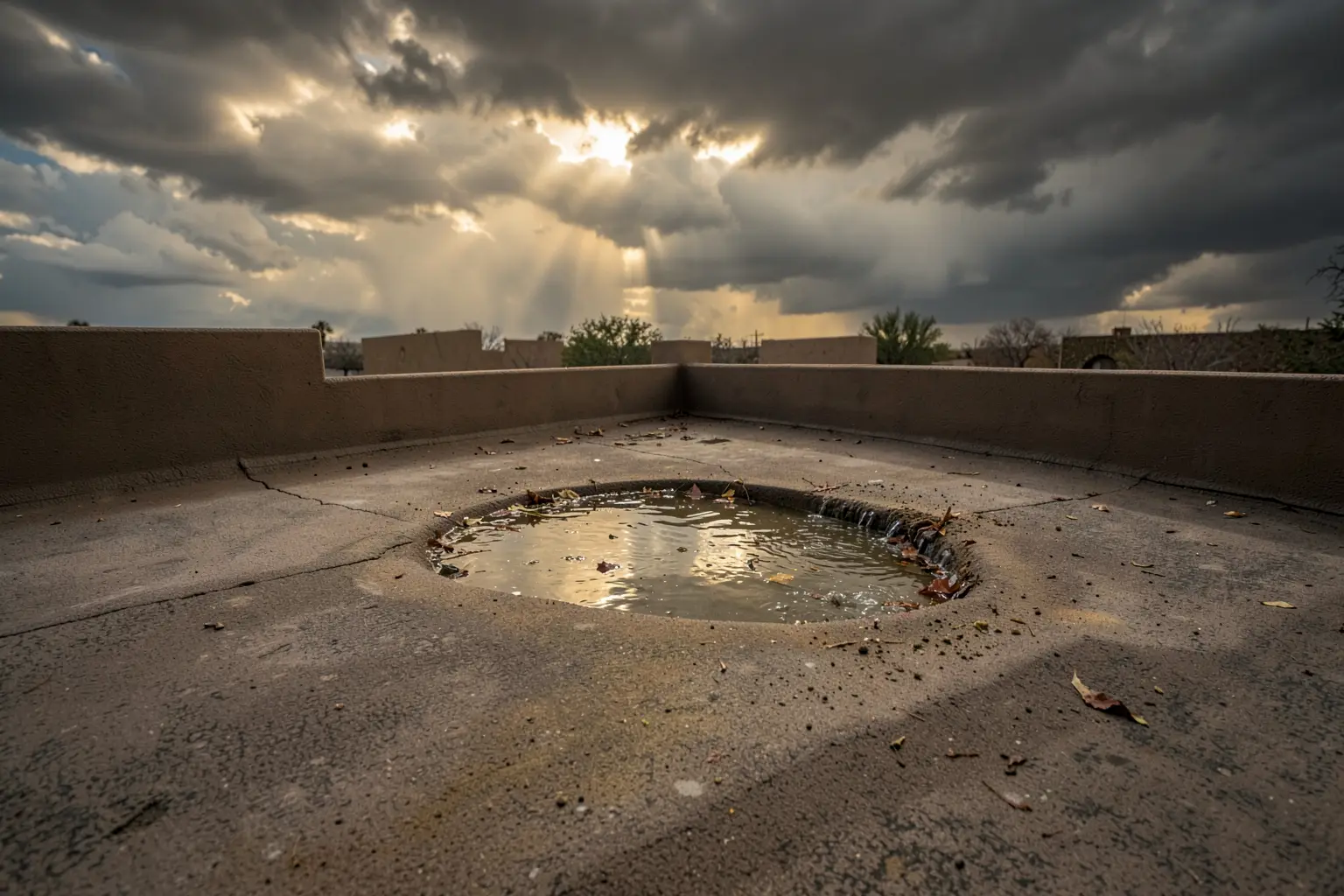
Roof Leak Water Damage
When a roof leaks, water soaks insulation and drywall before it drips, so the damage is usually bigger than the stain.
Learn more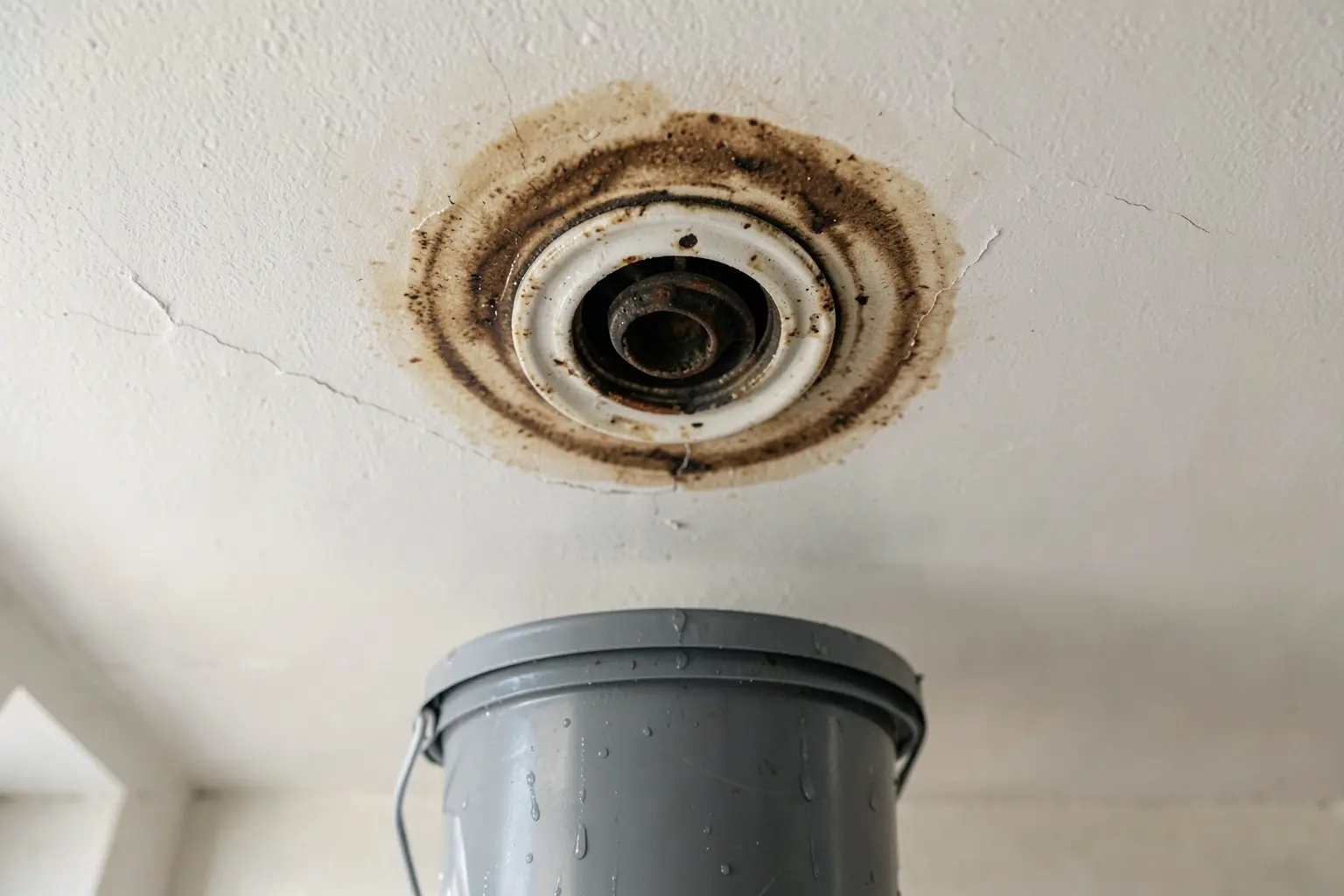
Ceiling Water Damage
A wet ceiling means water is above it: a roof leak, an attic water line, an AC condensate overflow, a swamp cooler or a bathroom upstairs.
Learn more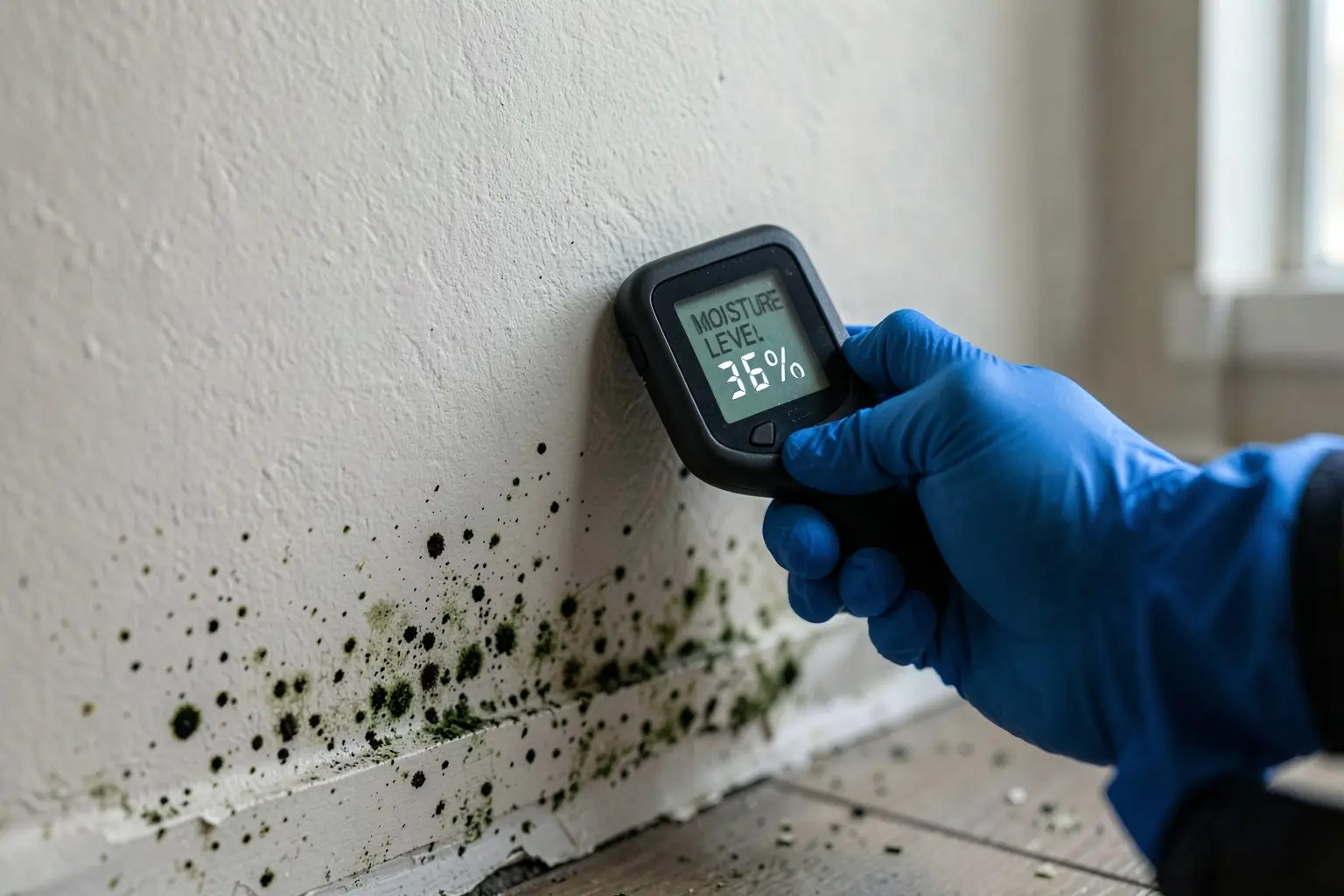
Mold Remediation After Water Damage
Mold grows wherever materials stay wet, and it can start within 24 to 48 hours.
Learn more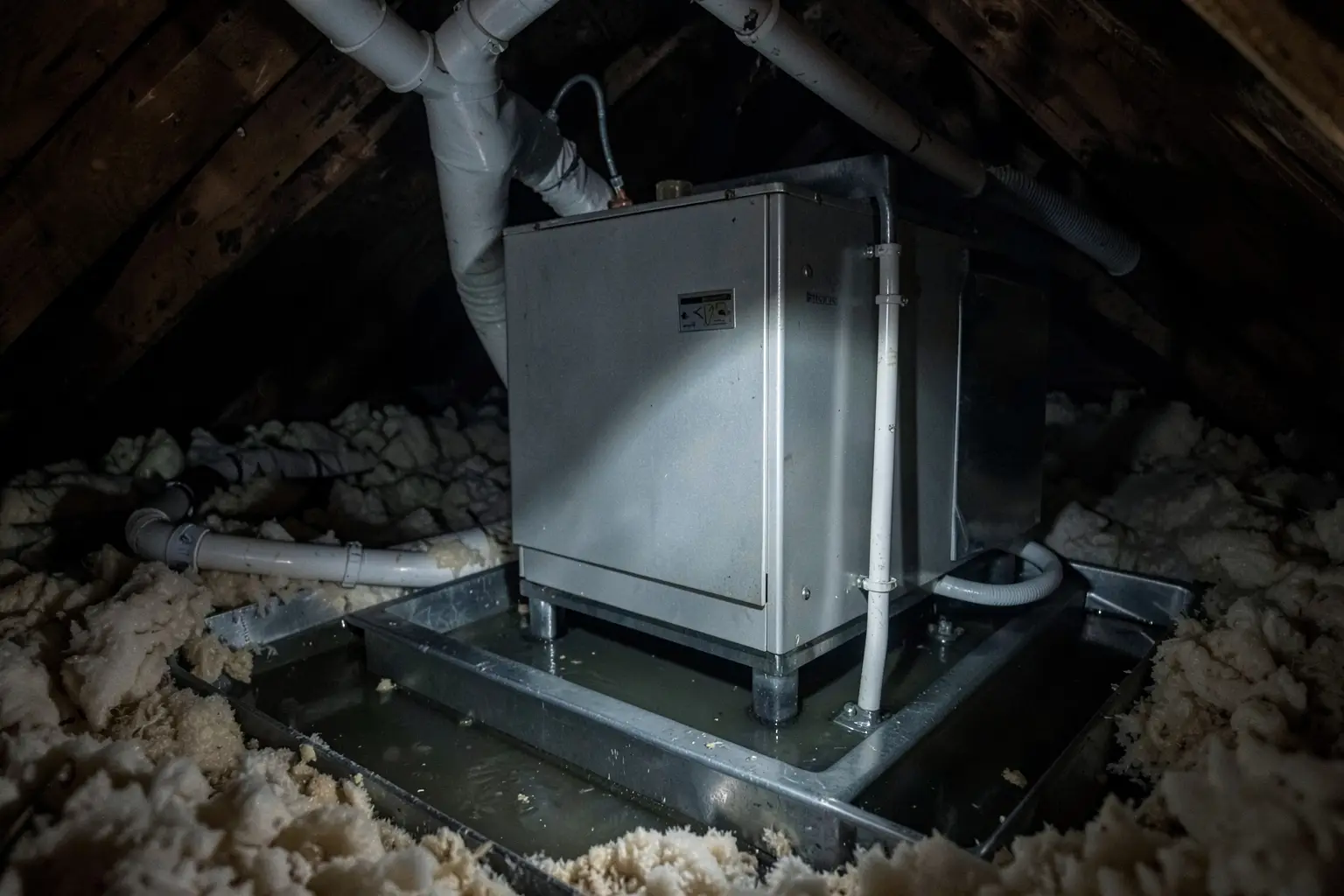
AC Condensate Leak Damage
Air conditioners pull water out of the air and drain it through a condensate line.
Learn moreGuides
Water where it shouldn't be?
Shut off the water, then call. Phones answered 24/7. Local restoration pros are ready to help.