Water damage service · Arizona
Mold remediation after water damage
Mold grows wherever materials stay wet, and it can start within 24 to 48 hours. Remediation fixes the moisture source, contains the area, removes moldy porous materials, cleans what remains and dries everything. Small spots on hard surfaces can be cleaned by a homeowner; larger areas need a professional.
Free call · Phones answered 24/7
- Phones answered 24/7
- 417 Arizona ZIP codes
- Local Arizona pros
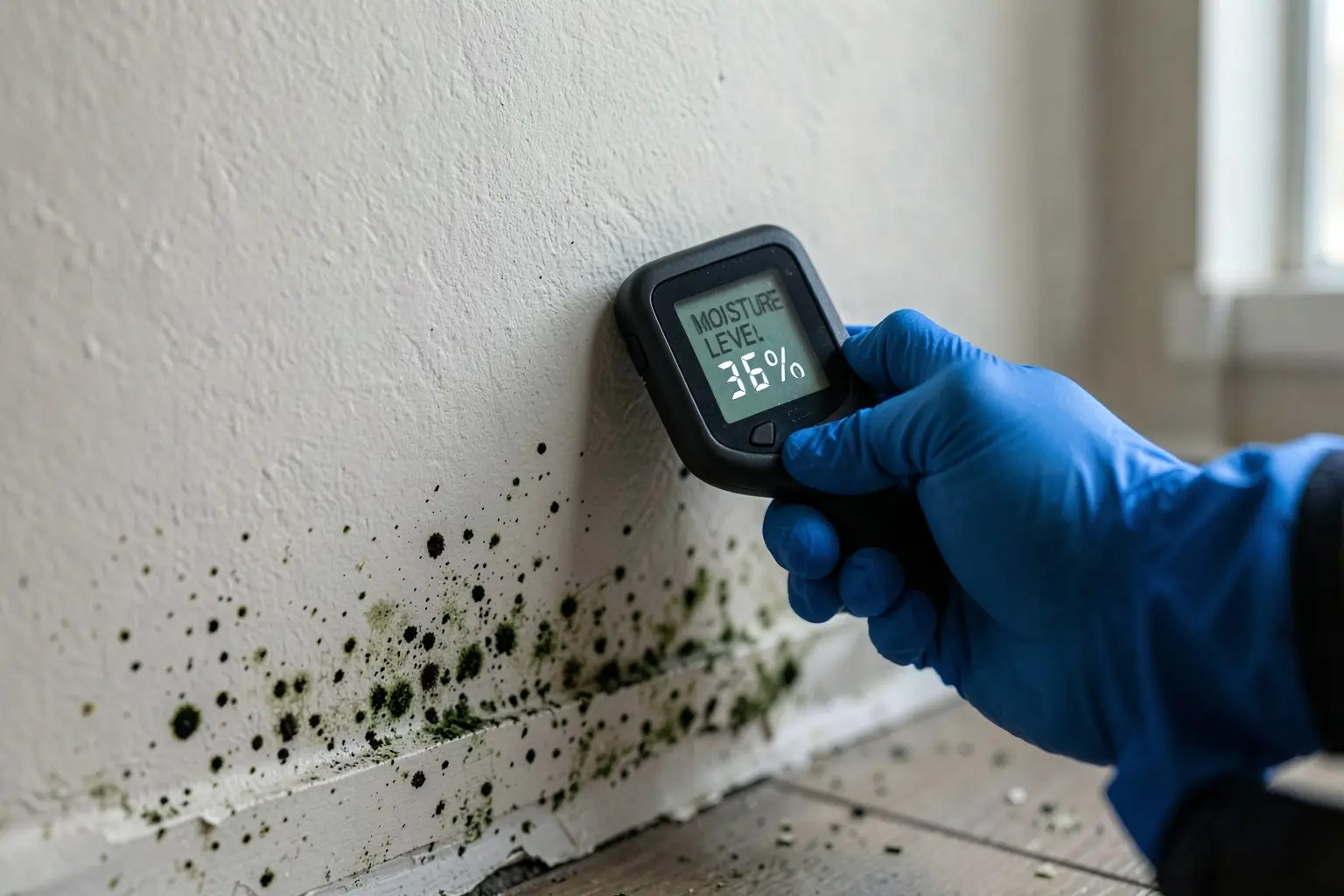
People assume mold isn't a problem in the desert. Indoors, it is: slow leaks under sinks, attic condensate overflows, swamp cooler leaks and monsoon roof leaks keep materials wet in warm, dark spaces where mold thrives.
Remediation isn't just spraying. The water source has to be fixed, the area contained so spores don't spread, moldy drywall and insulation removed, surfaces cleaned, and the structure dried. Arizona doesn't have a state license for mold remediation, so ask any company about their training, containment practices and insurance, and verify an ROC license for rebuild work.
Mold remediation at a glance
- Starts growing
- Within 24–48 hours on wet materials
- Homeowner-sized
- Small spots on hard, non-porous surfaces
- Professional
- Larger areas, inside walls, HVAC, or after sewage
- Key step
- Fix the moisture source first
- Arizona
- No state mold-remediation license; ask about training and containment
Signs you need help
- Musty smell in a room, closet or from vents
- Black, green or white spots on drywall, baseboards or ceilings
- Staining and bubbling paint after a leak
- Allergy-like symptoms that improve when away from home
- Visible growth under a sink, behind a washer or in an attic
Water still spreading? Every hour counts — call now.Phones answered 24/7. Free call, connected to a local restoration company.
(833) 893-1539What the restoration company does
- 1
Find and fix moisture
Meters and inspection find why materials are wet; the leak is repaired.
- 2
Contain
Plastic sheeting and negative air keep spores from spreading to clean areas.
- 3
Remove and clean
Moldy drywall, insulation and carpet are removed; framing and hard surfaces are cleaned (HEPA vacuum and wipe).
- 4
Dry and verify
Everything is dried. Some owners request post-remediation testing by an independent assessor.
What affects the cost
Every loss is different, so there's no honest flat price. These are the factors that move the estimate:
- Size of the affected area
- Location (inside walls, attic, crawlspace, HVAC)
- Containment needed
- Material removal and rebuild
- Optional independent testing
Safe to do yourself
- Clean small spots (a few square feet) on hard surfaces with detergent and water, wearing gloves and an N95 mask
- Fix the leak and dry the area
- Run the AC or a dehumidifier to keep humidity down
Stop and call if
- Mold covers more than about 10 square feet
- It is inside walls, ceilings or HVAC ducts
- It followed a sewage backup or floodwater
- Anyone in the home has asthma, allergies or a weakened immune system
Not sure what you're dealing with? Call — it's free.Phones answered 24/7. Free call, connected to a local restoration company.
(833) 893-1539Mold remediation questions
Can mold really grow in Arizona?
Should I use bleach on mold?
Do I need a mold test?
Is mold covered by insurance?
Will mold come back after remediation?
How long does remediation take?
Where this service is available
Across our 417 Arizona ZIP codes. Popular areas:
Related services
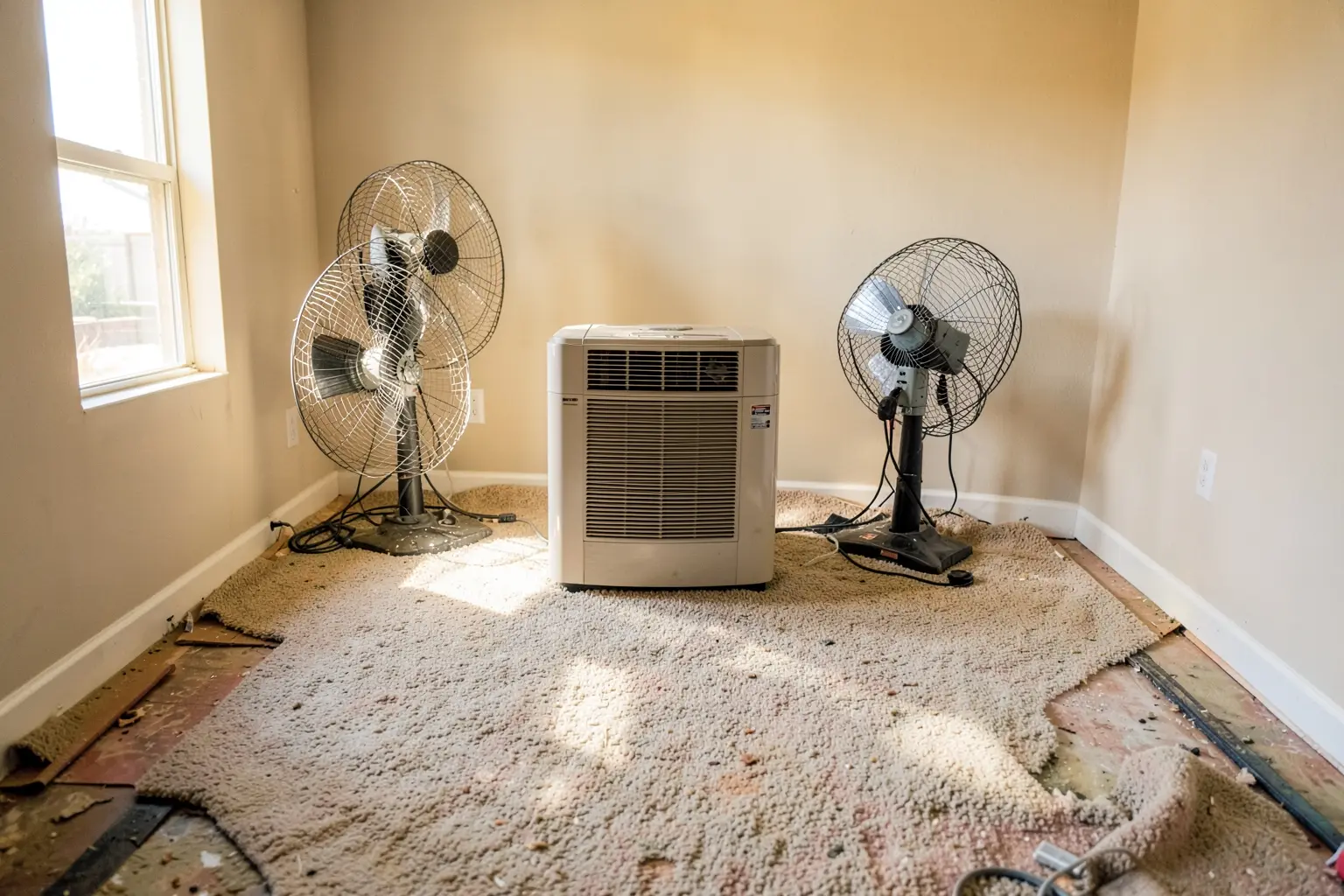
Structural Drying & Dehumidification
Structural drying removes water that has soaked into the slab, drywall, framing and cabinets after the standing water is gone.
Learn more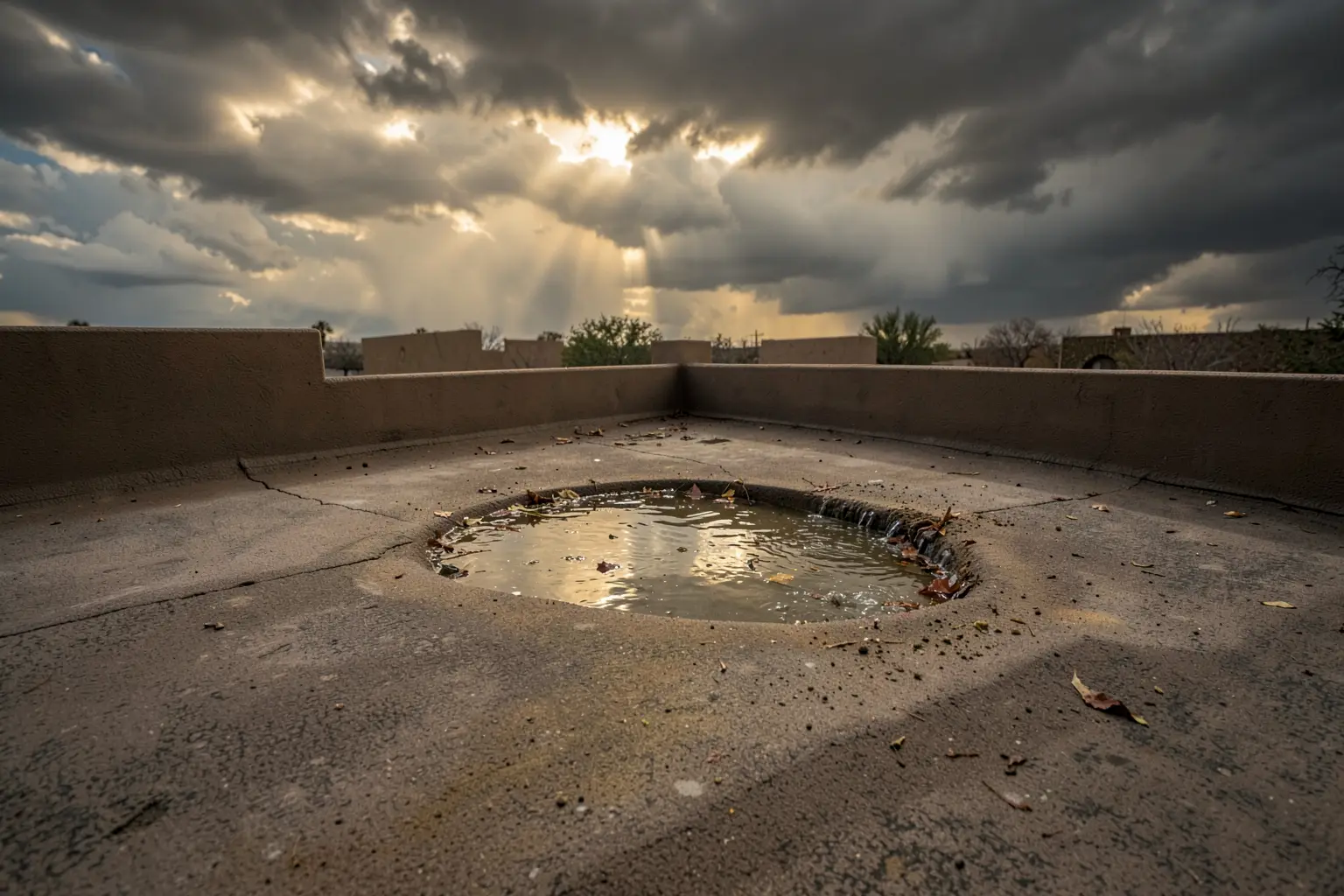
Roof Leak Water Damage
When a roof leaks, water soaks insulation and drywall before it drips, so the damage is usually bigger than the stain.
Learn more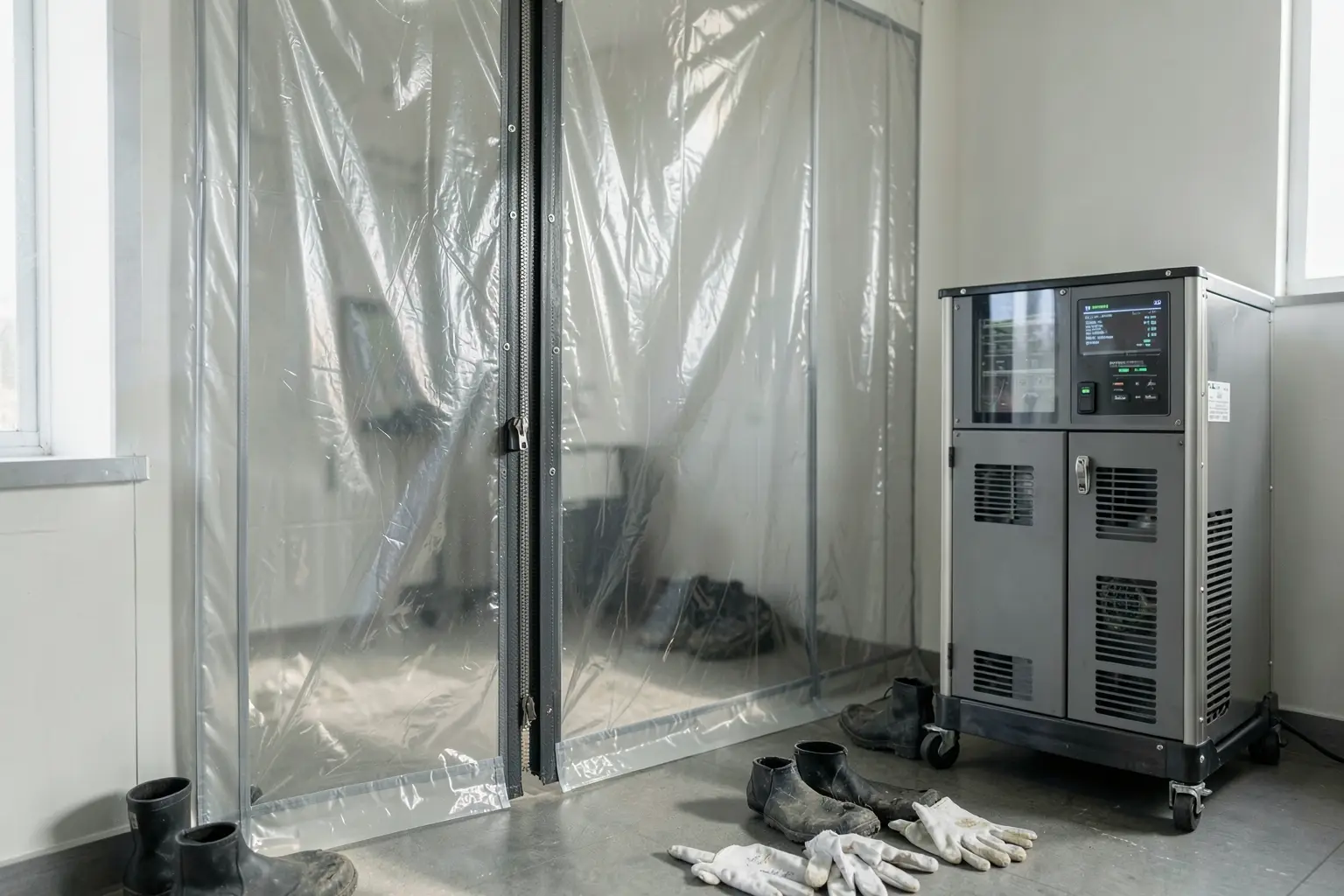
Sewage Backup Cleanup
Sewage is Category 3 (contaminated) water.
Learn more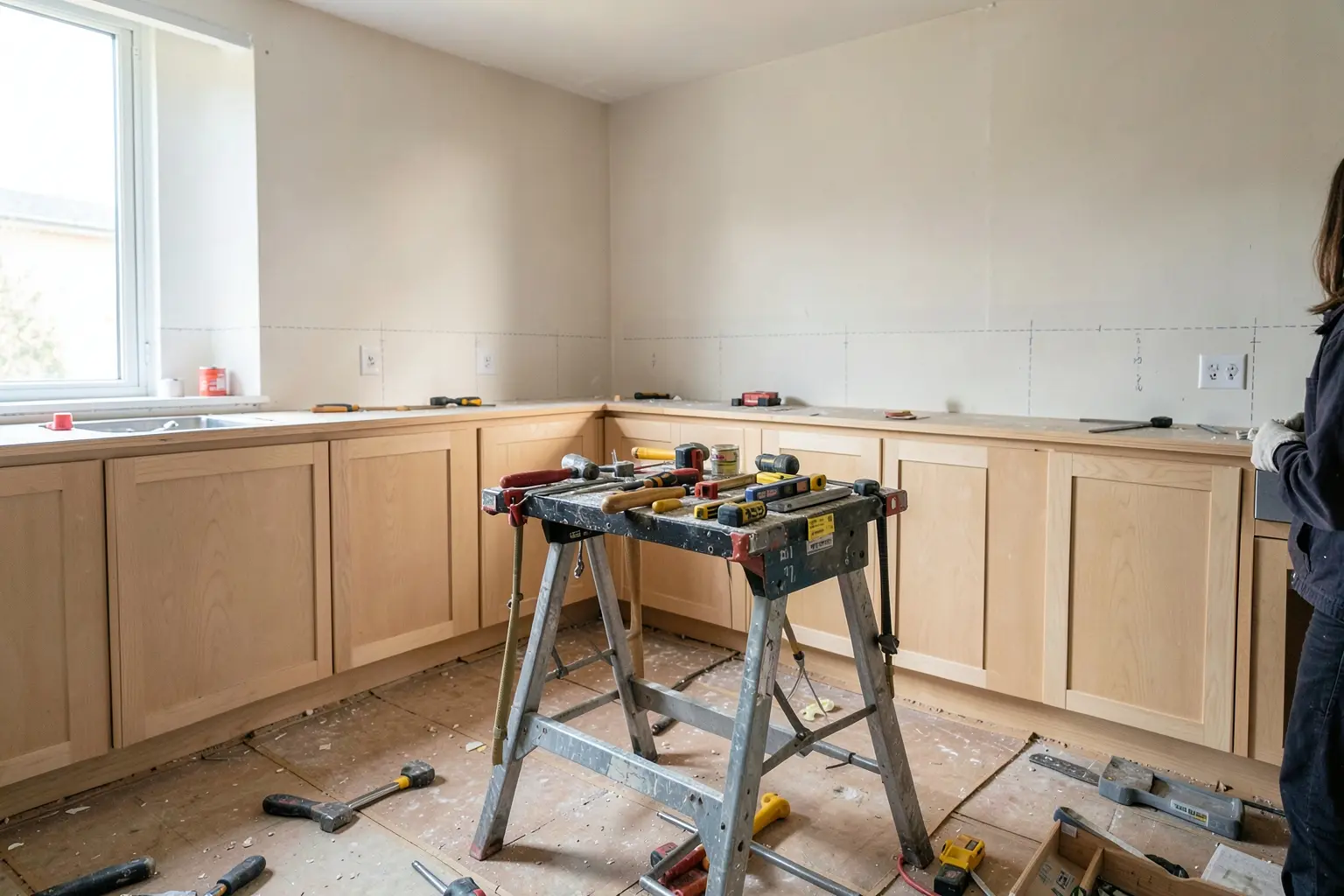
Water Damage Repair & Rebuild
Rebuild puts the house back after drying: new drywall, baseboards, insulation, flooring, cabinets and paint.
Learn moreGuides
Water where it shouldn't be?
Shut off the water, then call. Phones answered 24/7. Local restoration pros are ready to help.