Water damage service · Arizona
Structural drying and dehumidification
Structural drying removes water that has soaked into the slab, drywall, framing and cabinets after the standing water is gone. Technicians use moisture meters to map what is wet, then air movers and dehumidifiers to dry it to a measured standard, usually over three to five days.
Free call · Phones answered 24/7
- Phones answered 24/7
- 417 Arizona ZIP codes
- Local Arizona pros
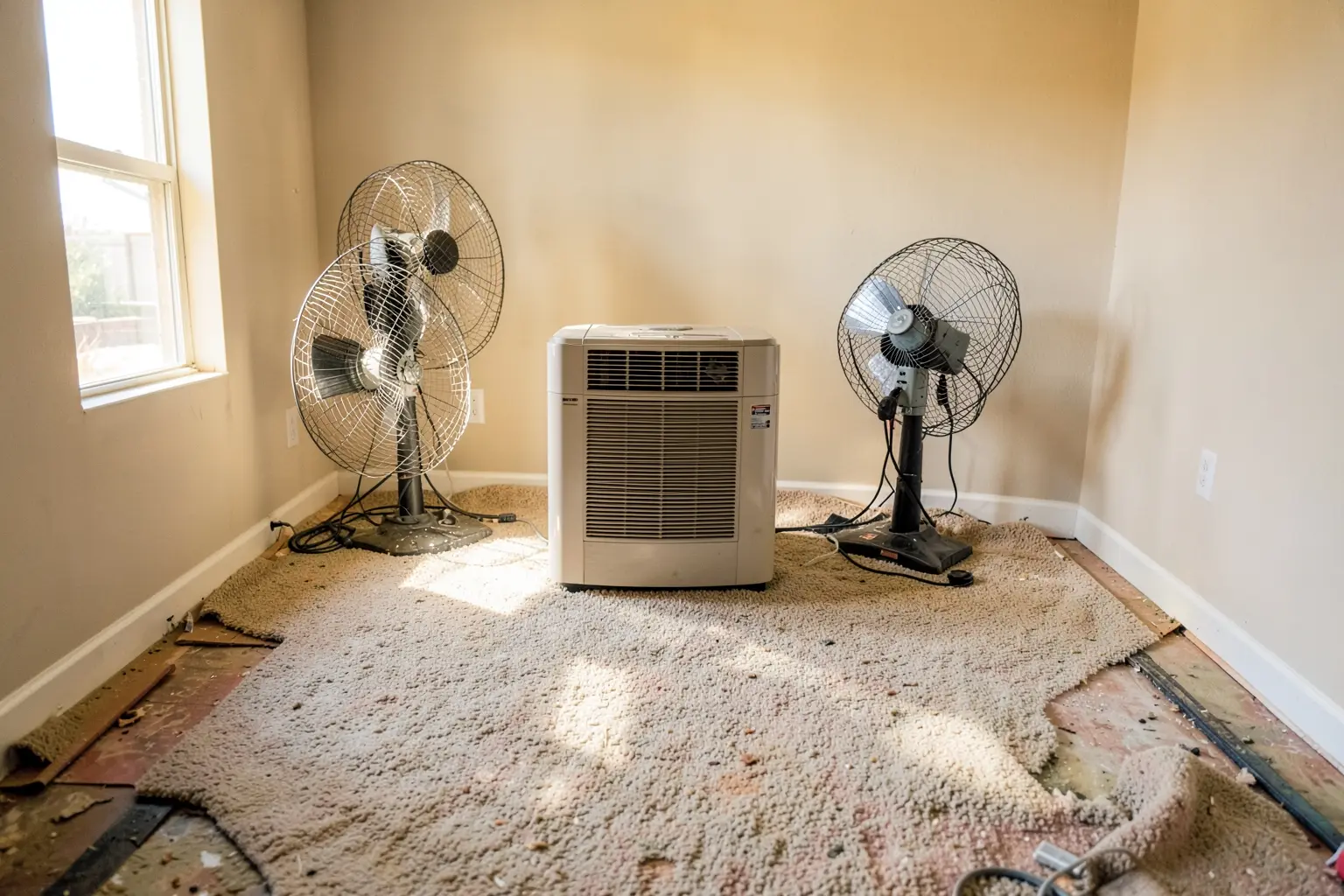
Arizona's low humidity dries surfaces fast, which is exactly why hidden moisture gets missed. Paint and baseboard faces feel dry within a day while the back of the drywall, the bottom plate of the wall and the concrete under the flooring stay wet. That trapped water is where mold, swelling and odor start.
Professional drying is measured, not guessed. The technician takes readings on day one, sets equipment for the room's size and materials, and returns to check readings and move equipment until every area matches dry reference readings from unaffected parts of the home. During monsoon season, indoor humidity can run high, so dehumidifiers do more of the work.
Structural drying at a glance
- Typical drying time
- 3–5 days for most clean-water losses
- Equipment
- Air movers, LGR dehumidifiers, sometimes wall or floor drying systems
- Proof of dry
- Daily moisture readings logged against dry reference points
- Tear-out
- Minimized when drying starts fast with clean water
- Standard
- IICRC S500 describes accepted drying practice
Signs you need help
- Baseboards swelling or pulling away from the wall
- Paint bubbling or drywall feeling soft near the floor
- Laminate or wood flooring cupping or lifting
- A musty smell a few days after a leak was 'cleaned up'
- Cabinet toe-kicks or sink bases that stay damp
Water still spreading? Every hour counts — call now.Phones answered 24/7. Free call, connected to a local restoration company.
(833) 893-1539What the restoration company does
- 1
Moisture mapping
Pin and pinless meters and a thermal camera find wet materials and set dry reference readings from unaffected areas.
- 2
Controlled removal
Baseboards, toe-kicks or small drywall sections may be removed or drilled so air can reach wall cavities and under cabinets.
- 3
Equipment set
Air movers push air across wet surfaces; dehumidifiers pull the moisture out of the air. Equipment is sized to the room and materials.
- 4
Daily monitoring
Readings are logged each visit and equipment is moved as areas dry. The job ends when readings match dry standard — not on a fixed day.
What affects the cost
Every loss is different, so there's no honest flat price. These are the factors that move the estimate:
- Number of rooms and amount of equipment needed
- Number of drying days
- Materials: dense materials like hardwood and concrete take longer
- Wall cavity or under-cabinet drying needs
- Power use (equipment runs around the clock)
Safe to do yourself
- Keep drying equipment running, even overnight
- Keep interior doors open and exterior windows closed
- Keep the air conditioning running at a normal setting
- Keep a note of when equipment was turned off or moved
Stop and call if
- Equipment was set but nobody is taking moisture readings
- Musty smell or visible spots appear during drying
- Flooring keeps cupping or lifting after several days
Not sure what you're dealing with? Call — it's free.Phones answered 24/7. Free call, connected to a local restoration company.
(833) 893-1539Structural drying questions
Can't I just open the windows? Arizona is so dry.
Why is the equipment so loud and can I turn it off at night?
How do they know the house is dry?
Do they have to cut holes in my walls?
Will drying equipment raise my electric bill?
What happens if the drying isn't done right?
Where this service is available
Across our 417 Arizona ZIP codes. Popular areas:
Related services
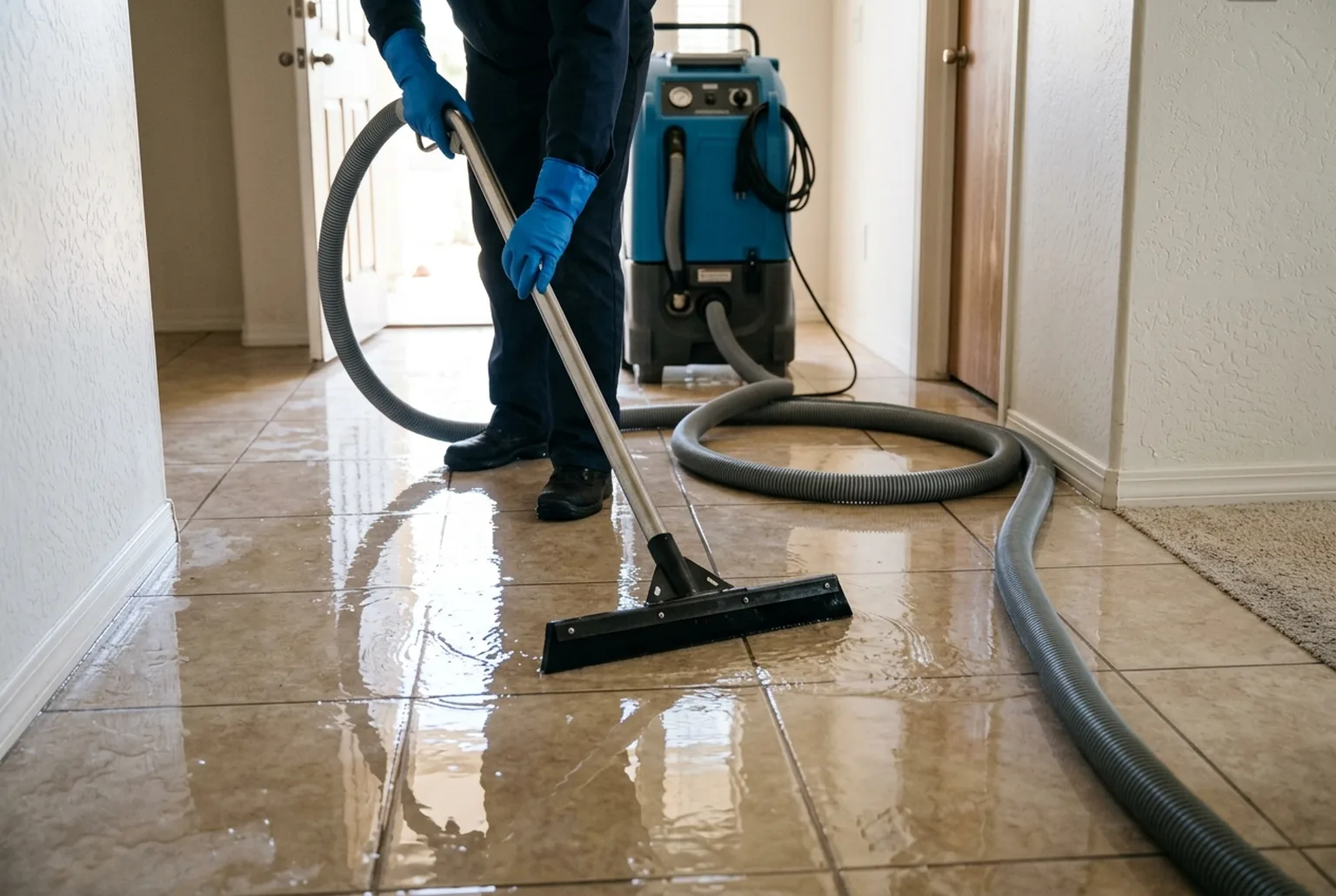
Emergency Water Extraction
Water extraction is the first step after a leak or flood: a restoration crew pumps and vacuums standing water out of floors, carpet and pad so drying can start.
Learn more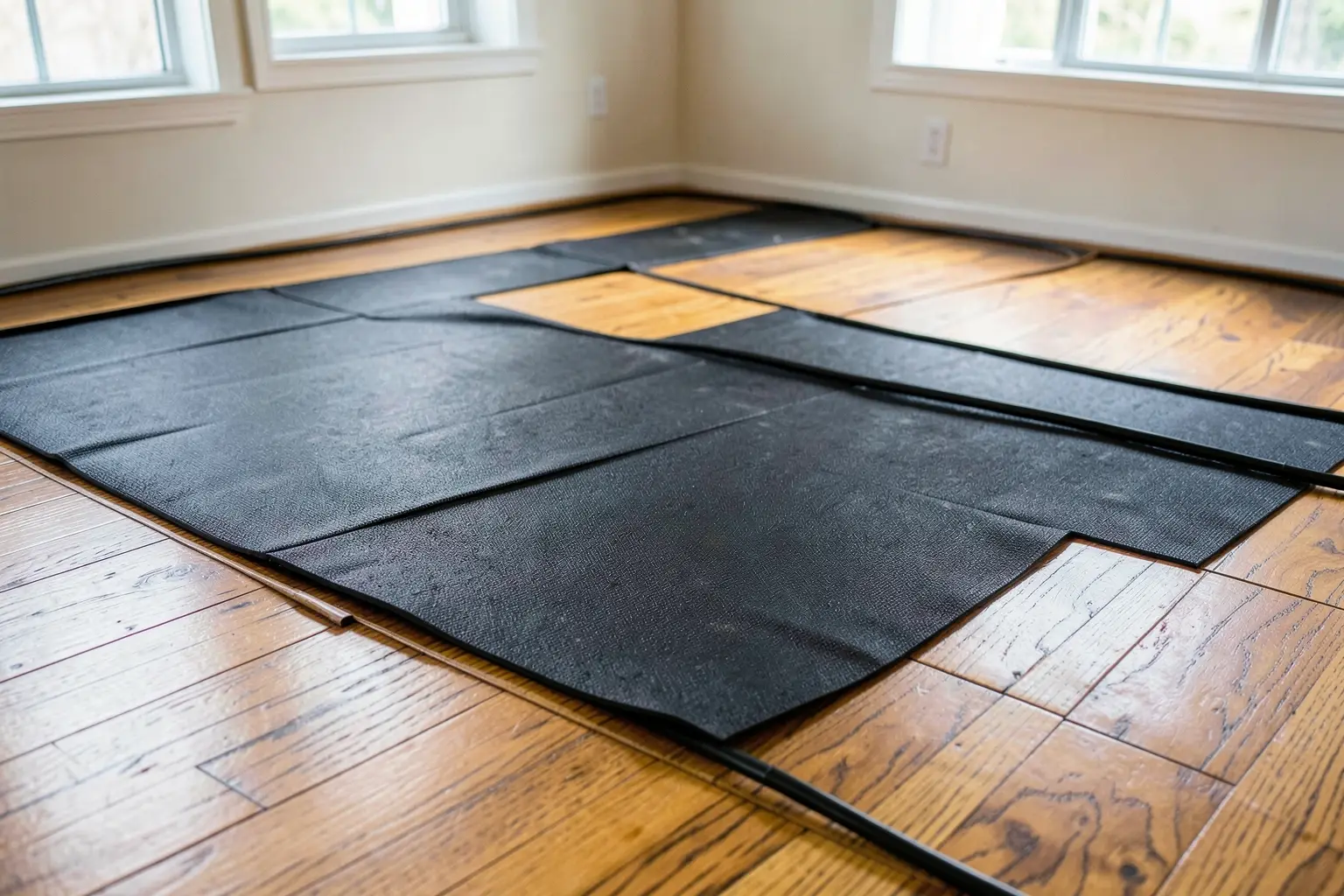
Wood & Laminate Floor Water Damage
Hardwood and engineered wood floors can often be saved if specialized floor drying starts within a day or two; laminate and many vinyl plank floors trap water on the slab and usually have to be lifted.
Learn more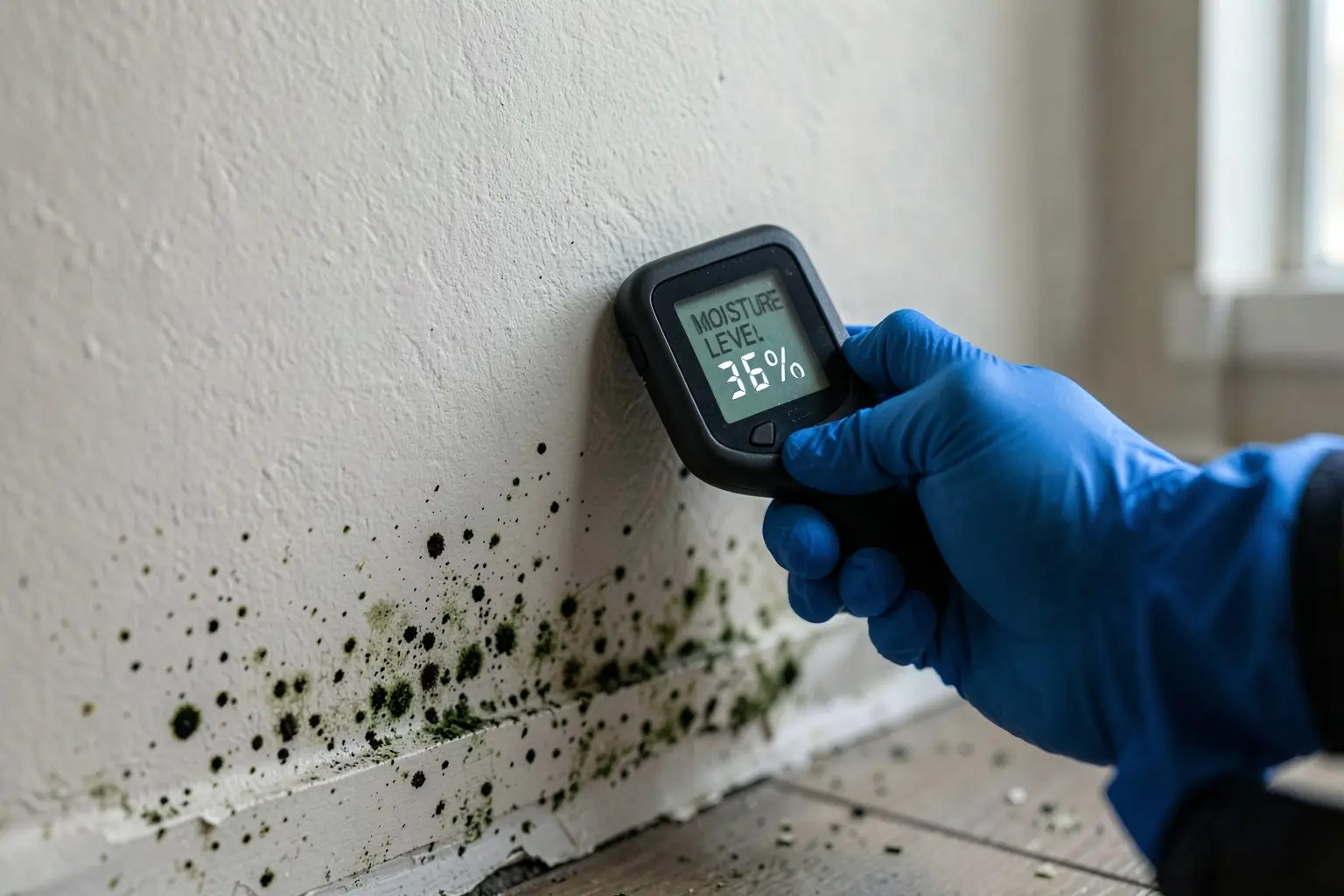
Mold Remediation After Water Damage
Mold grows wherever materials stay wet, and it can start within 24 to 48 hours.
Learn more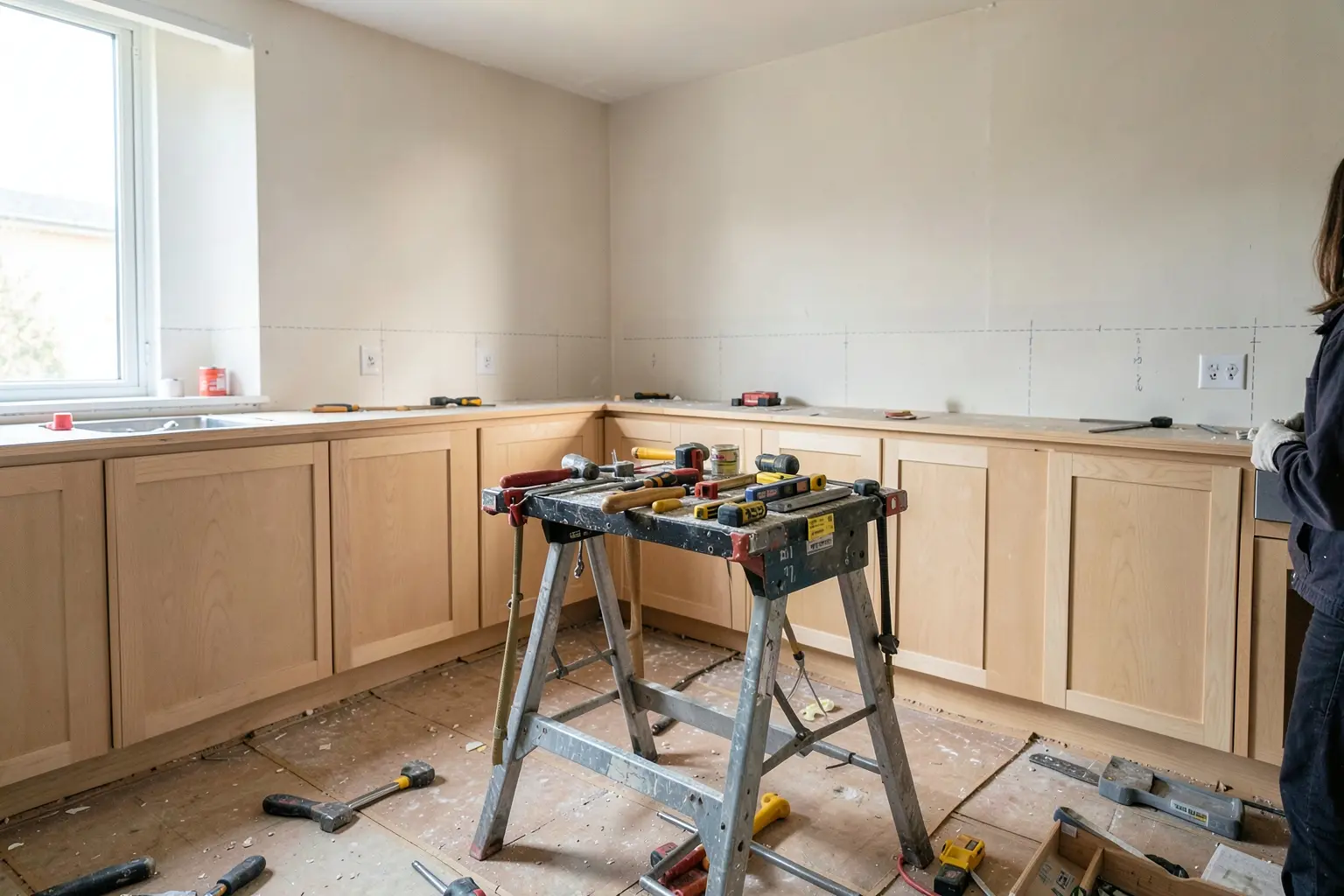
Water Damage Repair & Rebuild
Rebuild puts the house back after drying: new drywall, baseboards, insulation, flooring, cabinets and paint.
Learn moreGuides
Water where it shouldn't be?
Shut off the water, then call. Phones answered 24/7. Local restoration pros are ready to help.