Emergency-capable · Phoenix, AZ
Flood & Monsoon Damage Cleanup in Phoenix, AZ
Flood cleanup removes storm water, mud and debris that entered from outside, then disinfects and dries the structure. Because outside floodwater is treated as contaminated (Category 3), wet carpet, pad and the lower part of soaked drywall are usually removed rather than dried in place.
Free call · Phones answered 24/7
- Phones answered 24/7
- Phoenix & Maricopa County
- Local Arizona pros
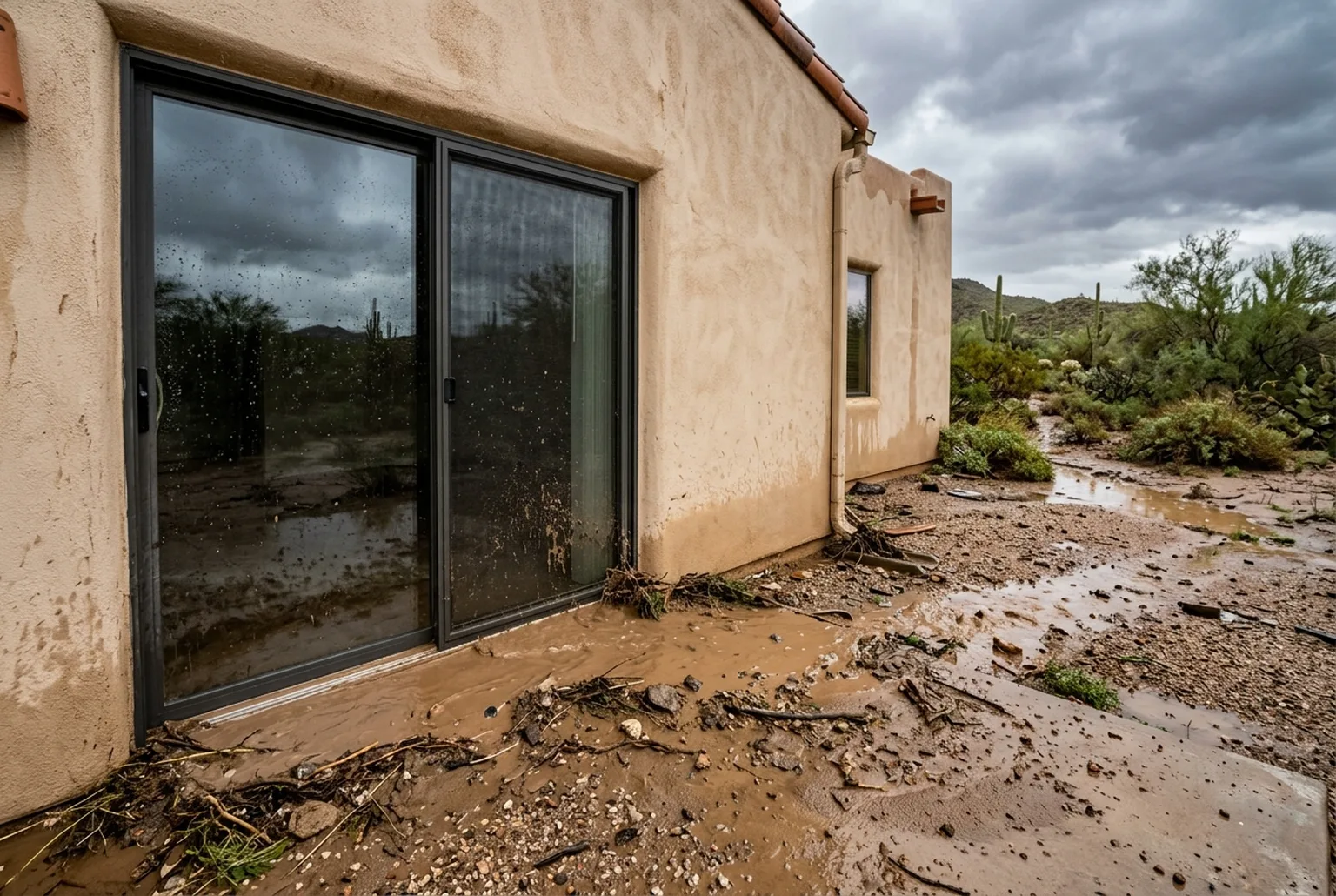
Arizona's monsoon runs from June 15 to September 30. Storms dump a lot of rain in a short time on hard desert ground that sheds water instead of absorbing it. Washes that are dry most of the year run fast, streets flood, and water pushes under doors and sliders, through weep screeds at the base of stucco walls and into garages.
Floodwater carries soil, animal waste, fertilizer and whatever was on the street, so it is handled differently from a clean pipe leak. The crew extracts the water, removes porous materials it touched, cleans and disinfects surfaces, and then dries the slab and wall framing before anything is rebuilt.
Flood & monsoon cleanup at a glance
- Water category
- Outside floodwater is Category 3 (contaminated)
- Usually removed
- Carpet, pad, and wet drywall and insulation to above the water line
- Season
- Monsoon: June 15 – September 30; winter storms too
- Insurance
- Homeowners policies usually exclude flood; check for a flood policy
- Safety first
- Power off to wet areas; avoid skin contact with floodwater
Flood & monsoon cleanup in Phoenix: what's different here
Phoenix monsoon storms often arrive as microbursts — sudden downdrafts with high winds and intense rain — that dump a lot of water in minutes. Older neighborhoods with limited storm drains, low intersections and properties near washes and retention areas are the first to take water, which pushes under doors and sliders and into garages.
Water that flows in from the street or yard is treated as contaminated, so wet carpet, pad and the lower part of soaked drywall are usually removed. The slab and wall framing are then dried and treated before rebuild.
Most Phoenix homeowners policies exclude flood from outside. Storm damage to the roof, and the water that comes through it, is handled differently and is often covered.
More about water damage in Phoenix or flood & monsoon cleanup across Arizona.
Signs you need help
- Water and mud came in under an exterior door, slider or garage door
- A wash, retention basin or street overflowed toward the house
- Water is seeping through the base of stucco walls
- Wet drywall with a visible tide line after a storm
- Standing water in a sunken living room or casita
Water still spreading? Every hour counts — call now.Phones answered 24/7. Free call, connected to a local restoration company.
(833) 893-1539What the restoration company does
- 1
Safety check
Power is cut to affected circuits, gas appliances in wet areas are checked, and the technician confirms the structure is safe to enter.
- 2
Water and debris removal
Water, mud and silt are pumped and shoveled out. Contaminated carpet, pad and contents that can't be cleaned are documented and removed.
- 3
Flood cut and clean
Drywall is cut above the water line (a 'flood cut'), wet insulation is removed, and surfaces are cleaned and treated with an antimicrobial.
- 4
Dry and verify
Air movers and dehumidifiers dry the slab and framing. Moisture readings are logged until materials reach dry standard before rebuild.
What affects the cost
Every loss is different, so there's no honest flat price. These are the factors that move the estimate:
- Square footage affected and how high the water rose on the walls
- Amount of mud and debris to remove
- How much drywall, insulation, flooring and cabinetry must come out
- Contents that need cleaning, pack-out or disposal
- Whether rebuild is handled by the same company
Safe to do yourself
- Sandbag or block doors if water is still coming and it's safe to be outside
- Turn off power to flooded rooms at the breaker, standing on a dry surface
- Take photos and video of water depth and damage
- Wear boots and gloves if you must walk through water
Stop and call if
- Water is over outlets or reached the electrical panel
- You smell gas
- Water came from a wash, street or sewer — treat it as contaminated
- Walls or ceilings are bulging or sagging
Not sure what you're dealing with? Call — it's free.Phones answered 24/7. Free call, connected to a local restoration company.
(833) 893-1539Flood & monsoon cleanup questions in Phoenix
When does the Phoenix monsoon peak?
Can I get flood insurance in Phoenix if I'm not in a flood zone?
Does homeowners insurance cover monsoon flooding?
Why does the drywall have to be cut if it looks fine?
Can I clean up flood water myself?
How do I keep monsoon water out next time?
How long does flood cleanup take?
Is standing floodwater dangerous?
More local guides
Other Phoenix problems, and flood & monsoon cleanup in other Arizona cities.
Related services
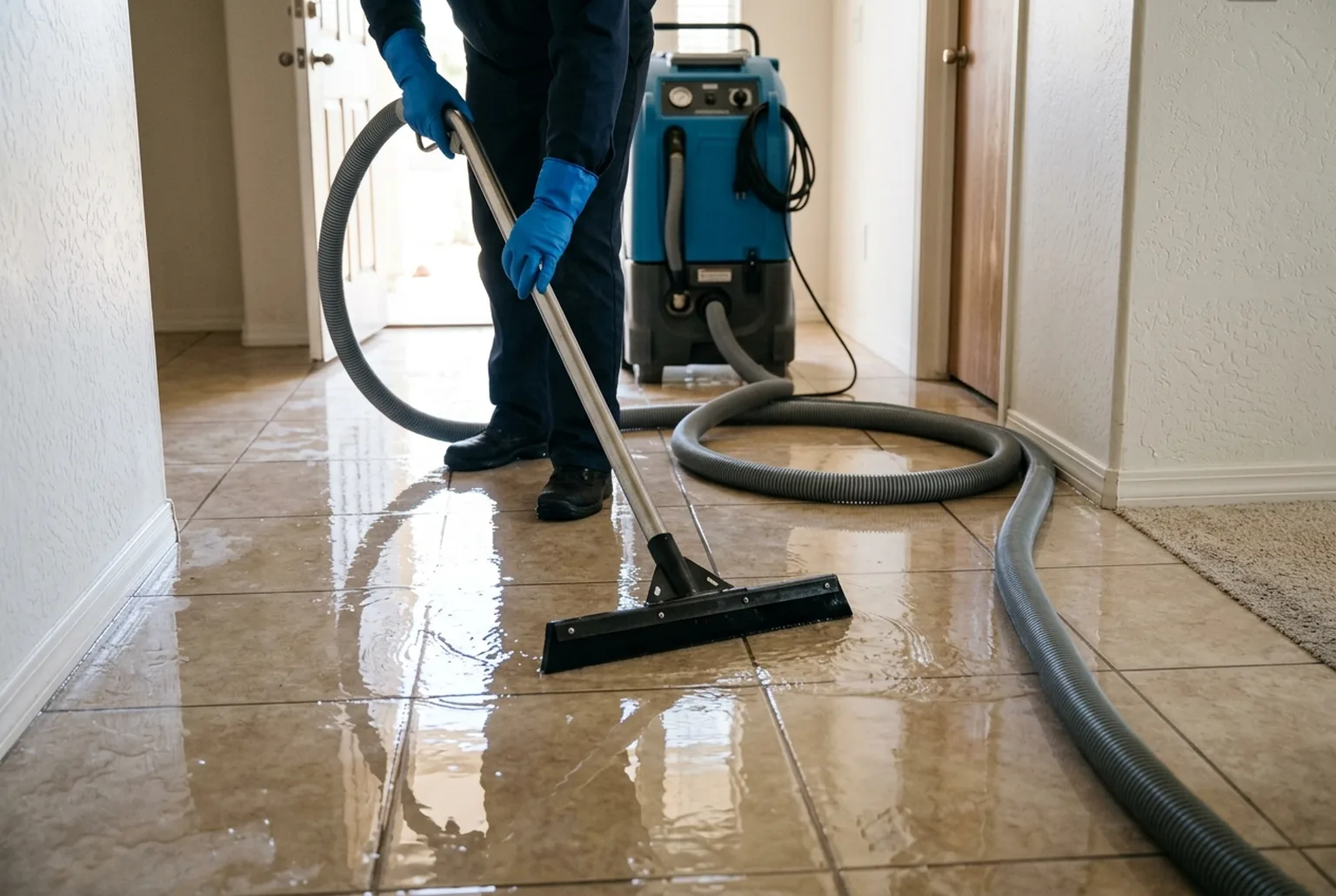
Emergency Water Extraction
Water extraction is the first step after a leak or flood: a restoration crew pumps and vacuums standing water out of floors, carpet and pad so drying can start.
Learn more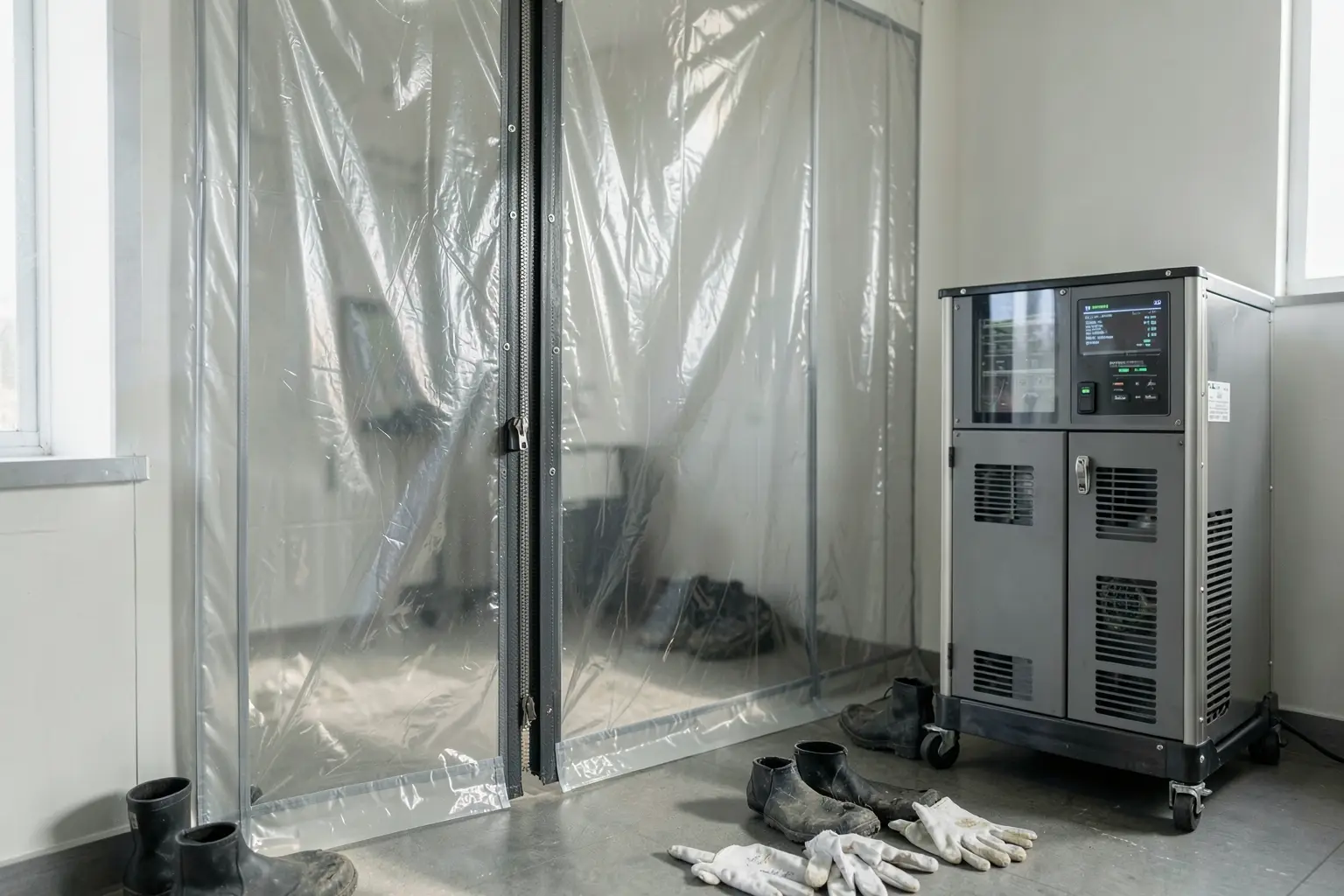
Sewage Backup Cleanup
Sewage is Category 3 (contaminated) water.
Learn more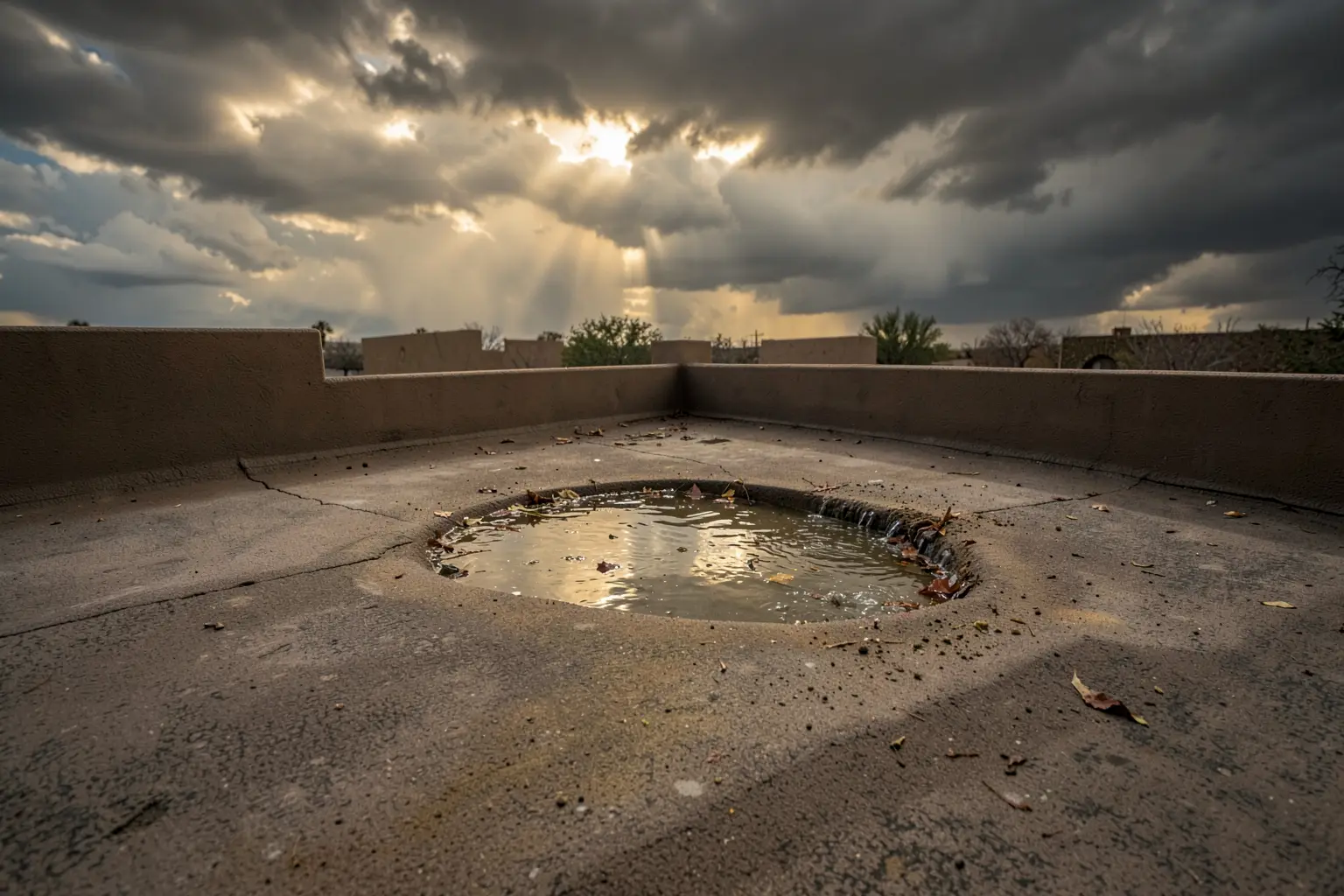
Roof Leak Water Damage
When a roof leaks, water soaks insulation and drywall before it drips, so the damage is usually bigger than the stain.
Learn more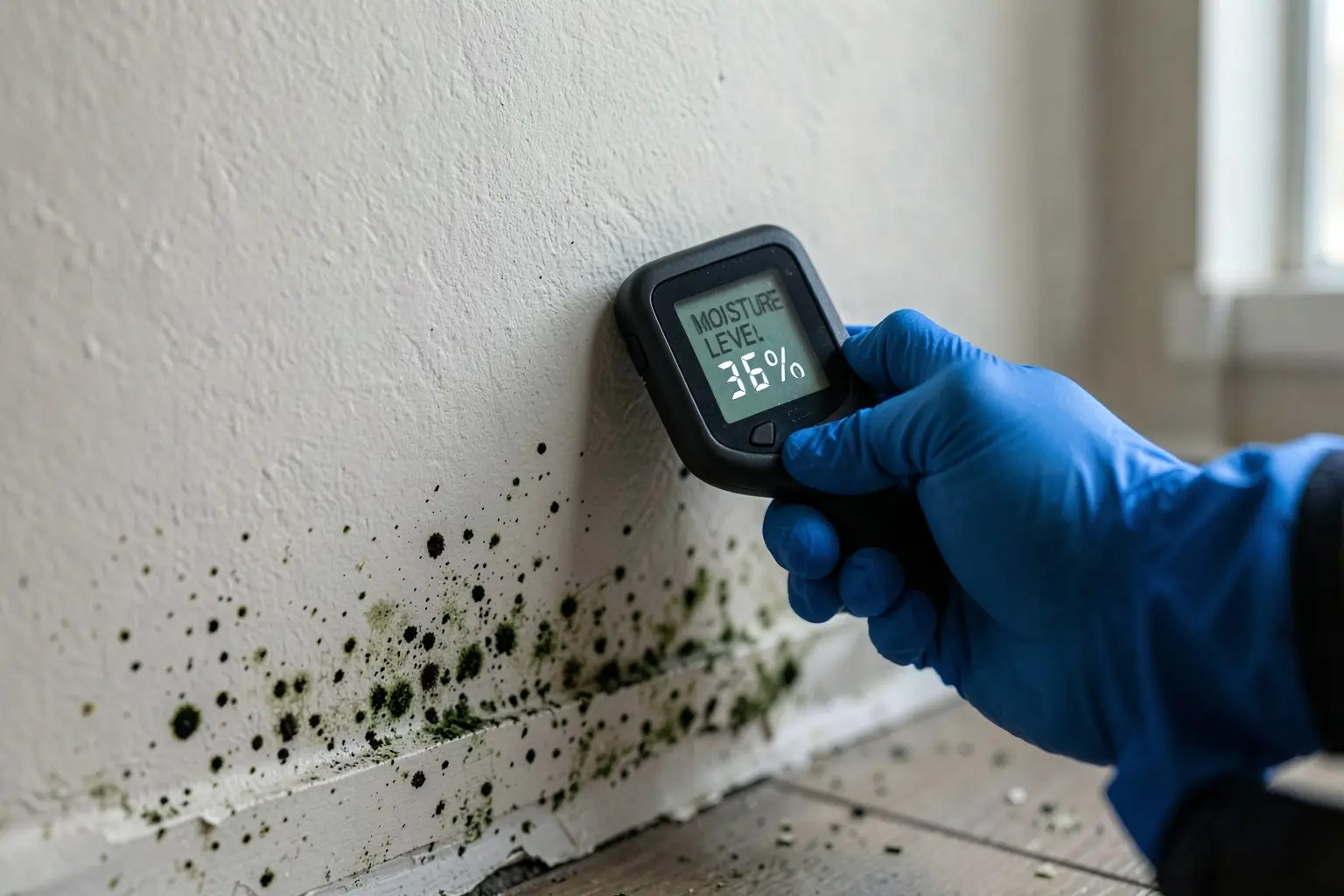
Mold Remediation After Water Damage
Mold grows wherever materials stay wet, and it can start within 24 to 48 hours.
Learn moreGuides
Water where it shouldn't be?
Shut off the water, then call. Phones answered 24/7. Local restoration pros are ready to help.